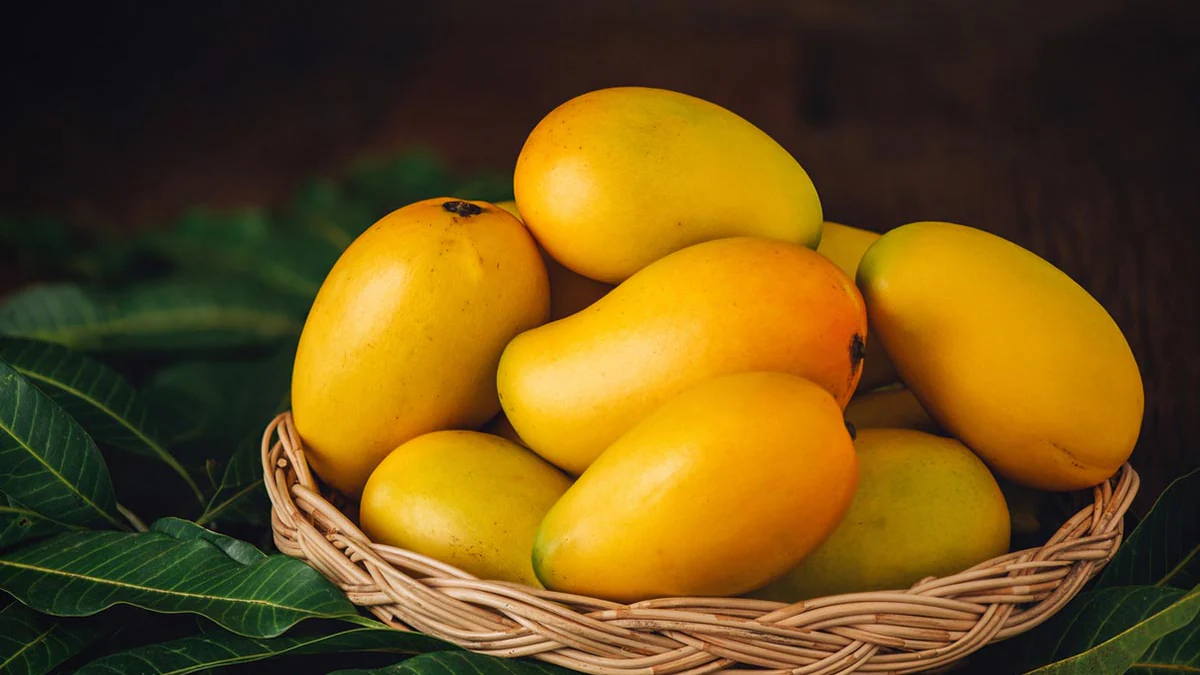
In the vast, vibrant tapestry of the world’s produce, few fruits command the universal adoration and legendary status quite like the mango. Hailed as the "King of Fruits" in many cultures, its succulent flesh, intoxicating aroma, and kaleidoscopic hues have captivated humanity for millennia. From the bustling markets of Mumbai to the sun-drenched orchards of Florida, the mango is more than just a fruit; it’s a symbol of summer, a taste of paradise, and a staple of countless cuisines.
But beyond its undeniable sensory appeal, a bolder claim often whispers through the groves and across dinner tables: Is the mango, in its magnificent glory, the world’s healthiest fruit? It’s a question that ignites debate among nutritionists, sparks curiosity among health enthusiasts, and challenges us to look beyond mere taste to the very essence of what nourishes us. To unravel this ambitious assertion, we must embark on an epicurean journey, delving into the mango’s profound nutritional composition, dissecting its purported health benefits, comparing it to other acclaimed "superfruits," and ultimately, delivering a verdict informed by science, history, and a touch of gastronomic philosophy.
The Ancestry of a King: A Historical Overture
Our story begins over 4,000 years ago, in the verdant river valleys of Northeast India, Myanmar, and Bangladesh, where the wild mango first graced the earth. Its journey from a humble forest fruit to a global phenomenon is a testament to its intrinsic value. Ancient Sanskrit texts speak of the mango, Hindu mythology weaves tales around its symbolism of love and fertility, and Buddhist monks are credited with carrying its seeds across Asia, propagating its cultivation. By the 10th century, Persian traders introduced it to East Africa, and Portuguese explorers later ferried it to Brazil and other parts of the Americas in the 16th century. Each new land embraced the mango, adapting it, cultivating new varieties, and integrating it into its culinary and cultural identity. This rich lineage sets the stage for our investigation into its modern-day health claims.
A Symphony of Nutrients: Deconstructing the Mango’s Profile
To understand if the mango truly wears the crown of "healthiest fruit," we must first dissect its nutritional core. A ripe mango is not merely a sweet treat; it’s a powerhouse of essential vitamins, minerals, dietary fiber, and, most notably, a complex array of bioactive compounds known as phytonutrients. It’s this intricate composition that underpins its widespread health benefits.
1. The Vitamin Vanguard:
- Vitamin C (Ascorbic Acid): The Immune Architect. A single medium-sized mango can provide over 100% of the daily recommended intake of Vitamin C. This potent antioxidant is crucial for bolstering the immune system, protecting cells from oxidative damage caused by free radicals, and is essential for the biosynthesis of collagen – the primary structural protein in connective tissues, vital for healthy skin, bones, and blood vessels. It also aids in the absorption of non-heme iron from plant-based foods.
- Vitamin A (Beta-Carotene): The Visionary Protector. Mangoes are an excellent source of beta-carotene, a precursor to Vitamin A. This vitamin is indispensable for maintaining healthy vision, particularly in low light, and plays a critical role in immune function, cell growth, and differentiation. Its antioxidant properties further contribute to skin health and protection against certain cancers. The vibrant orange and yellow hues of a ripe mango are a direct indicator of its rich carotenoid content.
- Folate (Vitamin B9): The Cellular Craftsman. Essential for DNA synthesis and repair, cell division, and the production of red blood cells, folate is particularly important during periods of rapid growth, such as pregnancy. Adequate folate intake can help prevent neural tube defects in infants and supports overall cardiovascular health.
- Vitamin B6 (Pyridoxine): The Metabolic Maestro. This B vitamin is a coenzyme in over 100 enzyme reactions, primarily involved in protein, fat, and carbohydrate metabolism. It’s crucial for brain development and function, supports the nervous system, and helps in the formation of hemoglobin, the protein in red blood cells that carries oxygen.
- Other B Vitamins: While in smaller quantities, mangoes also contribute to our intake of Thiamine (B1), Riboflavin (B2), and Niacin (B3), all vital for energy production and various metabolic processes.
- Vitamin K: The Coagulation Commander. Though not as abundant as in leafy greens, mangoes provide a decent amount of Vitamin K, essential for blood clotting and bone health.
2. The Mineral Matrix:
- Potassium: The Electrolyte Balancer. Mangoes are a good source of potassium, a crucial electrolyte that helps maintain fluid balance, regulates blood pressure, and supports proper nerve and muscle function, including the critical function of the heart.
- Copper: The Enzymatic Ally. This trace mineral is vital for iron absorption, energy production, and the formation of red blood cells. It also plays a role in maintaining healthy bones, blood vessels, nerves, and immune function.
- Magnesium: The Muscle Relaxer. Involved in over 300 enzymatic reactions, magnesium is essential for muscle and nerve function, blood glucose control, blood pressure regulation, and bone health.
- Smaller Contributions: Mangoes also contain modest amounts of calcium, iron, and zinc, further rounding out their mineral profile.
3. Fiber: The Digestive Dynamo:
A medium-sized mango provides a significant amount of dietary fiber, both soluble and insoluble.
- Soluble Fiber: Dissolves in water to form a gel-like substance, which can help lower blood cholesterol and glucose levels. It also feeds beneficial gut bacteria, contributing to a healthy microbiome.
- Insoluble Fiber: Adds bulk to stool, promoting regular bowel movements and preventing constipation. It also helps move food through the digestive system more efficiently. The combination of both types of fiber is crucial for overall digestive health and can contribute to feelings of fullness, aiding in weight management.
4. The Phytonutrient Powerhouse: Mango’s Secret Weapon