The world of contraception has seen remarkable advancements, offering individuals unprecedented control over their reproductive journeys. Among the most revolutionary of these options stands the Intrauterine Device (IUD) – a small, T-shaped marvel that, once inserted, works tirelessly, often for years, as a silent guardian against unintended pregnancy. For many, the IUD promises a liberation from daily pills, monthly injections, or the disruptive pause of barrier methods. It offers a sustained freedom, a subtle hum of security that underpins countless intimate moments.
But while the IUD delivers on its promise of highly effective contraception, its presence within the body inevitably weaves a new thread into the complex tapestry of sexual experience. For the knowledgeable individual considering, or already living with, an IUD, the questions extend far beyond efficacy. They delve into the nuanced, deeply personal realm of how this tiny device interacts with pleasure, sensation, body image, and the very fabric of intimacy. This is not merely a clinical overview; it’s an exploration of the lived experience, the whispered concerns, the quiet triumphs, and the occasional adjustments that define sex with an IUD. It’s a story of embracing a new kind of freedom, understanding its landscape, and navigating its unique rhythms.
The Foundation: Understanding Your Silent Guardian
Before we delve into the intricate dance of intimacy, it’s crucial to acknowledge the protagonist of our story: the IUD itself. For our knowledgeable audience, a brief recap serves as a grounding point.
There are two primary types of IUDs, each with its distinct mechanism and potential influence on the body:
- Hormonal IUDs (e.g., Mirena, Kyleena, Liletta, Skyla): These devices release a low, localized dose of progestin (levonorgestrel) directly into the uterus. This hormone thickens cervical mucus, making it difficult for sperm to reach an egg; thins the uterine lining, making implantation unlikely; and, in some cases, can suppress ovulation. The systemic absorption of hormones is minimal compared to oral contraceptives, but it is not entirely absent, and some individuals may still experience hormonal side effects.
- Copper IUDs (e.g., Paragard): These IUDs are hormone-free. They release copper ions into the uterus, which create an inflammatory reaction that is toxic to sperm and eggs, preventing fertilization. The copper also alters the uterine lining, making it unsuitable for implantation.
Both types boast over 99% effectiveness, making them among the most reliable reversible contraceptives available. Their "set it and forget it" nature is precisely what draws many to them, paving the way for a more spontaneous and unburdened sexual life. However, this spontaneity doesn’t arrive without a period of adjustment and a deeper understanding of one’s own body in concert with the device.
The Threshold: Making the Choice and the Insertion Experience
The journey of sex with an IUD truly begins long before the first post-insertion encounter. It starts with the informed decision, the research, the conversations with healthcare providers, and often, with a partner. For many, the decision to get an IUD is monumental – a commitment to long-term contraception that feels both empowering and, perhaps, a little daunting.
The Pre-Insertion Dialogue:
A knowledgeable individual will engage deeply with their provider, discussing not just the efficacy but also the potential side effects, the differences between hormonal and copper, and what to expect during and after insertion. This dialogue often includes questions about how the IUD might affect their periods, mood, and crucially, their sex life. Providers will typically cover topics like string checking, signs of expulsion, and the limited protection against STIs.
The Insertion Experience:
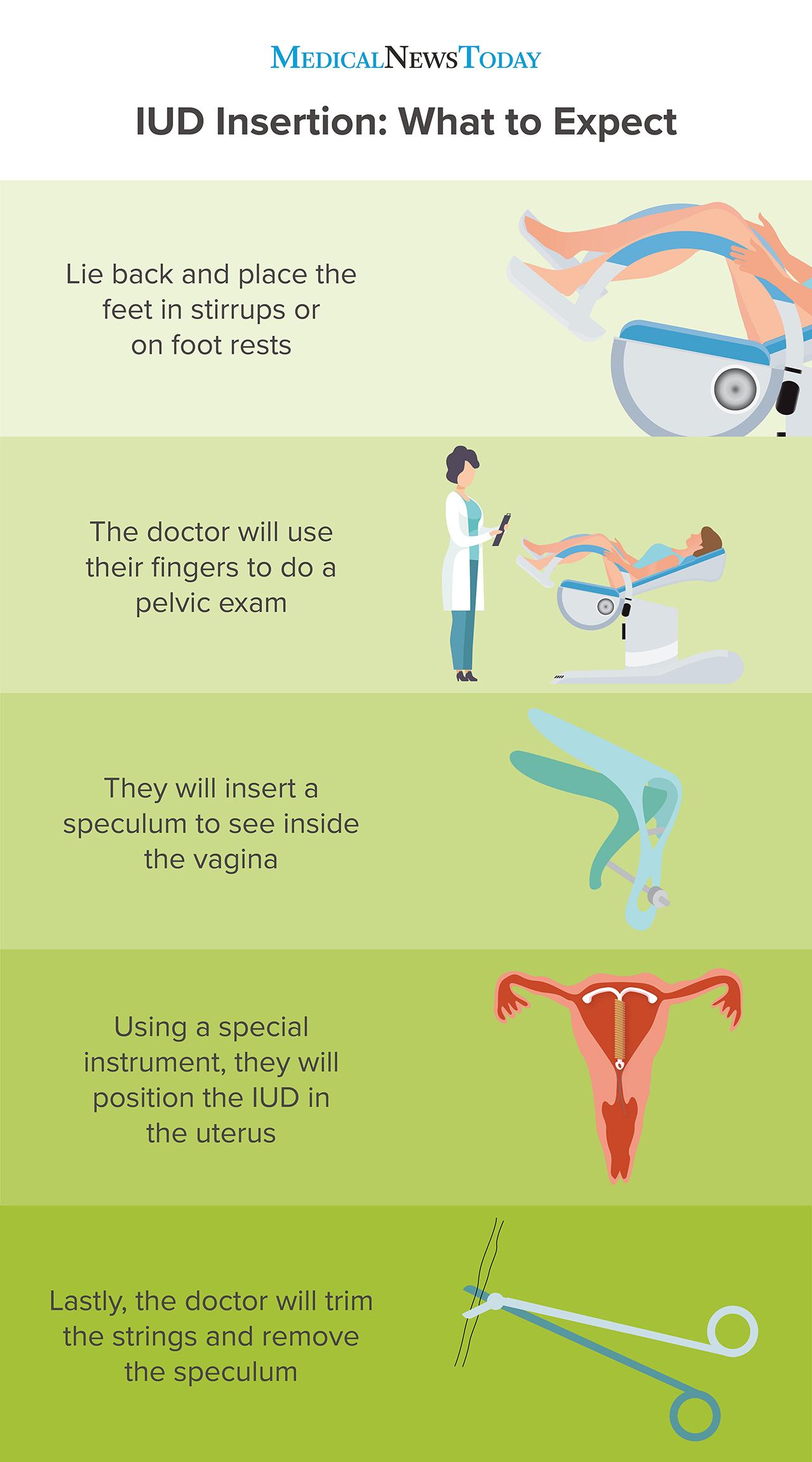
This is perhaps the most anxiety-inducing part for many. Despite its small size, the insertion of an IUD involves passing it through the cervix, a process that can range from mildly uncomfortable to acutely painful. For some, it’s a quick pinch and cramp. For others, it’s a wave of intense, sharp pain, sometimes accompanied by dizziness or nausea. The experience is highly individual, influenced by factors such as cervical dilation history (e.g., prior vaginal births), individual pain tolerance, and the skill of the inserter.
The "Story" of Insertion: Imagine Sarah, 32, a professional who values efficiency and long-term planning. She chose an IUD for its reliability and the freedom it promised from daily pills. Leading up to her appointment, she felt a mix of excitement and apprehension. She’d read accounts online, some reassuring, some terrifying. During the insertion, she gripped the sides of the exam table, breathing through the sharp, intense cramping that radiated through her pelvis. It was over in minutes, but the residual ache and the feeling of something "new" inside her lingered. This physical memory, this initial discomfort, often subtly colors the first few weeks of intimacy. It’s a reminder of the body’s boundary being crossed, even for a beneficial purpose.
Post-insertion, cramping and spotting are common. The uterus, a muscular organ, is reacting to the foreign object. This immediate aftermath dictates a period of rest, and typically, a recommendation to avoid anything being inserted into the vagina for at least 24-48 hours, sometimes longer, to allow the cervix to close and reduce the risk of infection. This waiting period is the first subtle imposition on spontaneous intimacy, a necessary pause before the new chapter begins.
The First Dance: Navigating Post-Insertion Intimacy
With the insertion behind them, and the initial cramping subsiding, the focus naturally shifts to the highly anticipated return to sexual activity. This is where the theoretical understanding meets the lived reality. The first sexual encounters with an IUD in place are often a blend of eager anticipation, a touch of trepidation, and a heightened awareness of one’s own body and the device within it.
The Psychological Shift: Freedom and Anxiety:
For many, the paramount feeling is one of profound relief and liberation. The fear of unintended pregnancy, a constant undercurrent for many sexually active individuals, is largely lifted. This psychological freedom can be incredibly potent, allowing for a deeper immersion in the moment, a more uninhibited exploration of pleasure, and a sense of spontaneity that may have been missing.
However, alongside this freedom often comes a subtle layer of anxiety, particularly in the early weeks. "Is it still there?" "Is it working?" "Will my partner feel it?" These questions, though often unspoken, can linger in the back of one’s mind. This is where the concept of "string checking" becomes vital.
The Reality of the Strings:
Every IUD has two thin threads, or strings, that extend a few centimeters into the upper part of the vagina. These strings are crucial for two reasons: to allow the individual to periodically check for proper IUD placement, and for a healthcare provider to remove the IUD when desired.
- Self-Checking: Healthcare providers instruct IUD users to regularly feel for these strings, typically after their period. This simple act provides reassurance that the IUD is still in place. For a knowledgeable individual, this becomes a routine, a quick, intimate check-in with their body. The absence of strings, or feeling that they are longer or shorter than usual, warrants a call to the doctor.
- Partner Awareness: This is often the primary concern for those new to IUDs. Will a partner feel the strings during intercourse? The answer is: sometimes. The strings are soft and flexible, designed to curl up around the cervix. However, depending on factors like cervical position, string length (they can be trimmed by a provider), and the depth/angle of penetration, a partner might occasionally feel them.