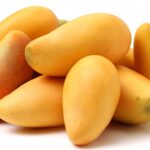
In the vast, verdant tapestry of nature’s bounty, certain fruits capture the imagination not merely with their taste but with an almost mystical reputation for health and vitality. Among these, one stands resplendent, a true monarch of the orchard, whose golden flesh and intoxicating aroma have captivated civilizations for millennia. This is the mango, a fruit so deeply embedded in human history and culture that its story is almost as rich as its nutritional profile. For centuries, it has been revered in its native lands, a symbol of love, fertility, and prosperity. Yet, in the modern scientific era, as white coats and laboratory analyses replace ancient lore, the mango is not just holding its own; it is asserting its dominance, compelling nutritionists and researchers alike to bestow upon it a title once reserved for a select few: the ultimate superfruit.
This isn’t merely a marketing slogan or a fleeting trend; it is a meticulously researched conclusion, a testament to the mango’s intricate biological composition. To understand why this sun-kissed fruit earns such high praise, we must embark on a journey – a story that begins in the ancient forests of South Asia and culminates in the sophisticated laboratories of contemporary nutritional science, revealing a symphony of nutrients, a cascade of bioactive compounds, and a profound impact on human health that few other single foods can rival.
A Legacy Etched in Time: The Cultural and Historical Tapestry of Mango
Our story begins approximately 5,000 years ago, in the fertile lands spanning what is now northeastern India, Myanmar, and Bangladesh. Here, the wild mango tree (Mangifera indica) first yielded its succulent fruit to curious primates and, eventually, to early humans. It quickly transcended its role as a mere food source. In ancient Sanskrit texts, the mango is extolled, its presence woven into Hindu mythology where it is often associated with the deities and considered sacred. Legend has it that the Buddha himself was presented with a mango grove to meditate under, further cementing its spiritual significance. Emperors, like the Mughal ruler Akbar, planted vast mango orchards, their love for the fruit immortalized in historical accounts. Poets penned odes to its sweetness, and artists depicted its elegant form in their works.
The mango’s journey beyond its native lands began with intrepid traders and explorers. By the 4th century BCE, it had reached Southeast Asia. Persian traders introduced it to East Africa, and by the 16th century, Portuguese navigators carried it across the oceans to Brazil and other parts of the New World, forever altering global culinary landscapes. Its common name, "mango," is derived from the Tamil word "maangai" or "man-kay," which the Portuguese adapted as "manga."
This deep historical and cultural reverence isn’t just charming; it provides the first subtle clue to the mango’s intrinsic value. For a fruit to be cherished across continents and millennia, to be celebrated in art, religion, and cuisine, suggests a profound and sustained benefit. It implies more than just delightful taste; it hints at a vital sustenance, a source of well–being that generations instinctively recognized, long before the advent of nutritional labels and biochemical analyses. It was, in essence, the original "superfruit" by popular acclamation, a title that modern science is now validating with unprecedented rigor.
The Nutritional Powerhouse: Deconstructing Mango’s Core Components
At the heart of the nutritionist’s admiration for the mango lies its astonishingly dense and diverse nutritional profile. Far from being just "empty calories," a single mango (approximately 200 grams, or one medium-sized fruit) is a veritable treasure chest of essential vitamins, minerals, and dietary fiber, all wrapped in a naturally sweet and satisfying package.
A. The Vitamin Vanguard:
The mango truly shines in its vitamin content, offering a spectrum of micronutrients critical for nearly every bodily function:
- Vitamin C (Ascorbic Acid): A single mango can provide well over 100% of the daily recommended intake of Vitamin C. This isn’t just any vitamin; it’s a potent antioxidant, a formidable defender against oxidative stress caused by free radicals, which are implicated in aging and numerous chronic diseases. Beyond its antioxidant prowess, Vitamin C is indispensable for immune system function, bolstering the body’s defenses against infections. It is also a crucial co-factor in the synthesis of collagen, the primary structural protein in skin, bones, cartilage, and blood vessels, making mango a natural ally for healthy skin and connective tissues. Its role in iron absorption further enhances its utility, particularly for those on plant-based diets.
- Vitamin A (Beta-carotene): The vibrant golden-orange hue of the mango is a tell-tale sign of its rich beta-carotene content, a precursor to Vitamin A. Once consumed, beta-carotene is converted into active Vitamin A within the body. Vitamin A is paramount for vision, particularly in low light conditions, and plays a vital role in maintaining the health of the cornea and retina. But its functions extend far beyond the eyes; it is critical for immune function, supporting the production and activity of white blood cells. Furthermore, Vitamin A is essential for healthy skin, promoting cell growth and differentiation, and contributing to the integrity of mucous membranes, which act as a protective barrier against pathogens.
- Folate (Vitamin B9): Often overlooked but critically important, folate is abundant in mangoes. This B vitamin is indispensable for cell division and DNA synthesis, making it crucial for growth and development, especially during periods of rapid cell division like pregnancy. Adequate folate intake helps prevent neural tube defects in newborns and supports overall cardiovascular health by helping to regulate homocysteine levels.
- Vitamin B6 (Pyridoxine): Mangoes contribute a respectable amount of Vitamin B6, a versatile nutrient involved in over 100 enzyme reactions in the body. It plays a key role in protein, fat, and carbohydrate metabolism, helping the body convert food into energy. B6 is also vital for brain health, contributing to the synthesis of neurotransmitters like serotonin and norepinephrine, which regulate mood, and dopamine, which controls motivation and reward. It also supports immune function and red blood cell formation.
- Vitamin E (Alpha-tocopherol): Another powerful fat-soluble antioxidant, Vitamin E helps protect cell membranes from oxidative damage. It’s particularly beneficial for skin health, often found in skincare products, and contributes to immune function.
B. The Mineral Marvels:
While not as dominant in mineral content as some other foods, mangoes still provide valuable contributions to our daily mineral needs:
- Potassium: An essential electrolyte, potassium is crucial for maintaining proper fluid balance, nerve signals, and muscle contractions, including the rhythmic beating of the heart. Adequate potassium intake is linked to lower blood pressure and a reduced risk of stroke, making mango a heart-healthy choice.
- Copper: Though required in smaller amounts, copper is a vital trace mineral involved in numerous bodily processes. It plays a critical role in iron metabolism and red blood cell formation, supports immune function, and is a component of enzymes that produce energy and synthesize connective tissues.
- Magnesium: Involved in over 300 biochemical reactions, magnesium is essential for muscle and nerve function, blood glucose control, and blood pressure regulation. It also contributes to bone health and DNA synthesis.
C. Fiber: The Unsung Hero:
Often taken for granted, dietary fiber is a cornerstone of health, and mangoes deliver a significant dose. A medium mango provides about 3-4 grams of fiber, a beneficial mix of both soluble and insoluble types.
- Insoluble Fiber: This type of fiber acts as roughage, adding bulk to stool and promoting regular bowel movements, preventing constipation and supporting overall digestive regularity.
- Soluble Fiber: This is where much of the magic happens. Soluble fiber dissolves in water to form a gel-like substance in the digestive tract. This gel slows down the absorption of sugars, helping to stabilize blood glucose levels and prevent sharp spikes after meals. It also binds to cholesterol in the digestive system, facilitating its excretion and thereby helping to lower LDL ("bad") cholesterol levels. The soluble fiber in mango, particularly pectin, also acts as a prebiotic, nourishing beneficial gut bacteria.