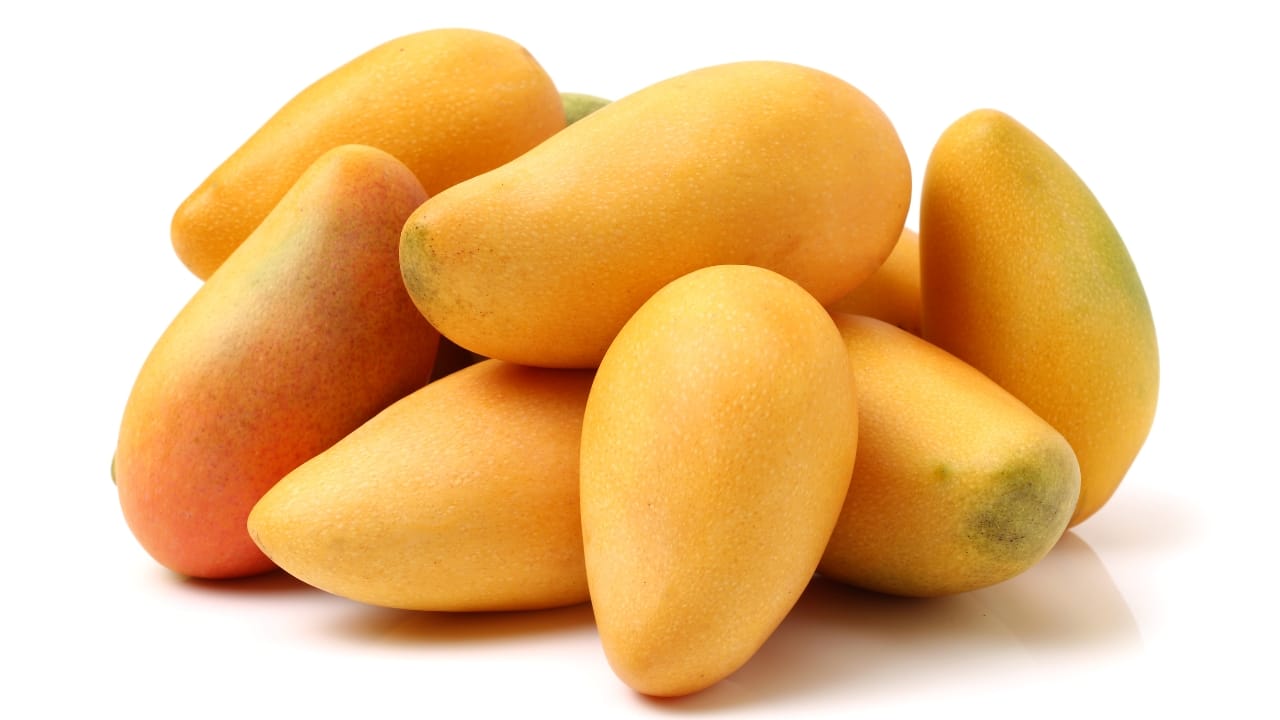
The sun, a giver of life, casts its golden glow upon the emerald leaves of a mango tree. A gentle breeze rustles through the canopy, carrying the sweet, unmistakable perfume of ripening fruit. Within each plump, sun-kissed mango lies not just a symphony of flavor, a burst of tropical delight, but a formidable arsenal, a silent guardian poised to defend the very essence of our being. This is the story of the mango, not merely as a fruit, but as a biological powerhouse, a champion in the invisible war against a relentless internal adversary: oxidative stress.
For millennia, the mango, or Mangifera indica, has been revered across cultures, particularly in its native South Asia, where it’s often called the "King of Fruits." Its succulent flesh has nourished bodies, its vibrant colors have inspired art, and its sweetness has brought joy. But beneath this delightful facade lies a complex biochemical narrative, a tale of cellular heroism played out within our bodies. Our knowledgeable audience understands that health is not merely the absence of disease, but a dynamic state of equilibrium, a delicate balance constantly challenged by internal and external forces. One of the most significant of these challenges, an insidious process that underpins countless chronic ailments and accelerates aging, is oxidative stress. And it is against this silent assailant that the humble mango emerges as a formidable, delicious ally.
Understanding the Enemy: The Invisible Scourge of Oxidative Stress
To truly appreciate the mango’s prowess, we must first understand the enemy it so valiantly combats. Oxidative stress is not a catchy marketing term; it’s a fundamental biological reality, a state of imbalance that occurs when the production of harmful molecules called free radicals overwhelms the body’s ability to neutralize them. Think of our cells as meticulously crafted miniature cities, each with factories, power plants, and intricate defense systems. Free radicals are like cellular vandals, highly reactive molecules with an unpaired electron, desperately seeking to steal an electron from stable molecules in our cells. This theft initiates a chain reaction, damaging vital cellular components like DNA, proteins, and lipids.
Where do these "cellular vandals" come from? They are, paradoxically, a natural byproduct of life itself. Every breath we take, every meal we metabolize, generates free radicals as our mitochondria, the cellular powerhouses, convert nutrients into energy. This is a normal, unavoidable process. However, the modern world amplifies this intrinsic challenge. Environmental pollutants, cigarette smoke, industrial chemicals, ultraviolet (UV) radiation from the sun, chronic psychological stress, excessive alcohol consumption, and even intense physical exercise can significantly increase free radical production, pushing our cellular cities into a state of siege.
The consequences of prolonged oxidative stress are far-reaching and devastating. When free radicals attack DNA, they can lead to mutations, increasing the risk of cancer. When they damage proteins, they can impair enzyme function, disrupt cellular signaling, and compromise structural integrity. When they target lipids, particularly those in cell membranes, they initiate lipid peroxidation, a process that degrades cell membranes, leading to cellular dysfunction and death. This chronic cellular damage is not merely an abstract concept; it is intimately linked to the development and progression of a host of debilitating diseases:
- Cardiovascular Diseases: Oxidized LDL cholesterol, a key player in atherosclerosis, is a direct consequence of oxidative stress, contributing to plaque formation in arteries.
- Neurodegenerative Diseases: Conditions like Alzheimer’s and Parkinson’s disease are characterized by neuronal damage, where oxidative stress is a major contributing factor, disrupting brain function.
- Cancer: Chronic inflammation and DNA damage induced by free radicals are well-established pathways to carcinogenesis.
- Diabetes: Oxidative stress contributes to insulin resistance and pancreatic beta-cell dysfunction.
- Autoimmune Diseases: The interplay between oxidative stress and inflammation can exacerbate autoimmune responses.
- Accelerated Aging: The cumulative damage from free radicals is considered a primary driver of the aging process, manifesting as wrinkles, reduced organ function, and increased susceptibility to disease.
Our bodies are not defenseless. They possess an intricate endogenous antioxidant system, comprising enzymes like Superoxide Dismutase (SOD), Catalase (CAT), and Glutathione Peroxidase (GPx), which are highly efficient at neutralizing specific types of free radicals. However, in the face of overwhelming free radical production, or simply as we age, this internal defense can be insufficient. This is where exogenous antioxidants – those we obtain from our diet – become absolutely crucial. And this is where the mango steps onto the stage, not just as a delicious treat, but as a vital player in maintaining our cellular integrity and promoting long-term health.
The Mango: A Tropical Treasure Trove of Nutrition
Before we delve deeper into its antioxidant arsenal, let’s briefly appreciate the mango’s overall nutritional profile. Native to India and Southeast Asia, where it has been cultivated for over 4,000 years, the mango is more than just a sweet delight; it’s a nutritional powerhouse. A single cup of mango provides a significant portion of our daily requirements for:
- Vitamin C: A potent water-soluble antioxidant, essential for immune function, collagen synthesis, and protecting cells from oxidative damage.
- Vitamin A (from Beta-Carotene): Crucial for vision, immune health, and skin integrity, beta-carotene itself is a powerful fat-soluble antioxidant.
- Folate (Vitamin B9): Important for cell division and DNA repair.
- Vitamin B6: Involved in numerous metabolic processes and nerve function.
- Vitamin K: Essential for blood clotting and bone health.
- Copper: A trace mineral vital for energy production and iron metabolism.
- Potassium: Crucial for maintaining fluid balance and blood pressure.
- Fiber: Aids digestion, promotes satiety, and contributes to gut health.
While these vitamins and minerals contribute significantly to overall health, the true magic of the mango in the fight against oxidative stress lies in its rich and diverse array of phytochemicals – biologically active plant compounds that give fruits and vegetables their vibrant colors, distinct flavors, and powerful protective properties. These are the unsung heroes, the specialized units in the mango’s antioxidant army.