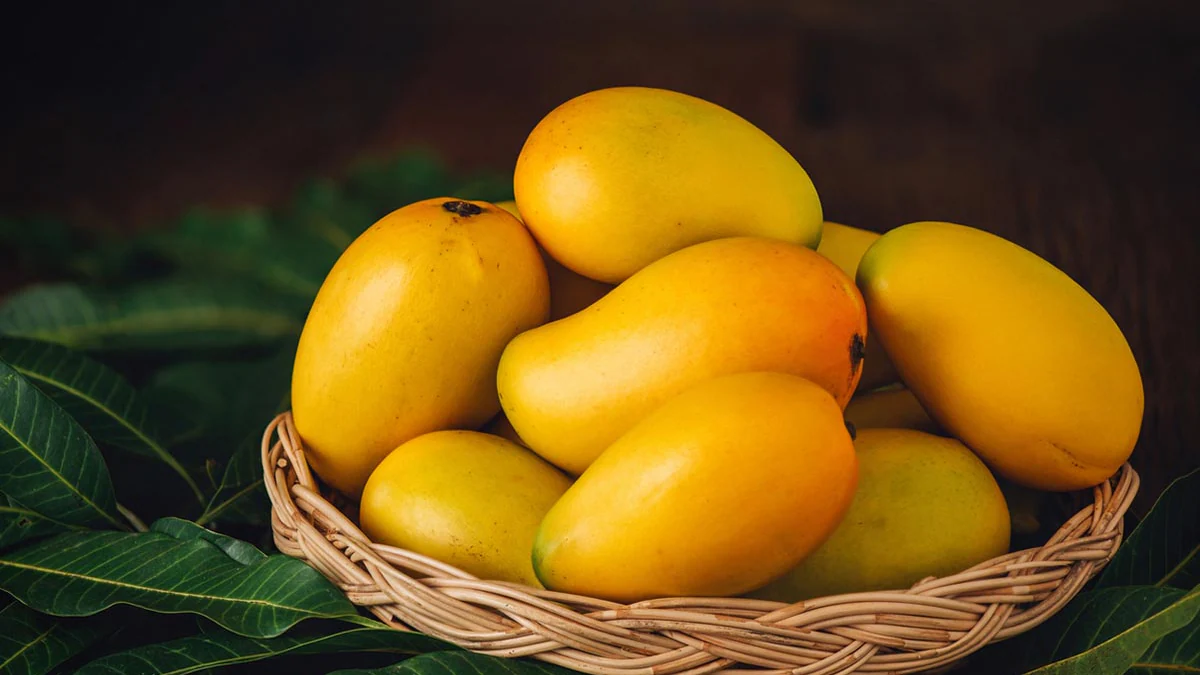
The sun-drenched, fragrant flesh of a ripe mango is more than just a tropical delight; it’s an experience, a journey for the senses. From its vibrant hues of gold, red, and green to its intoxicating aroma and the luscious sweetness that melts on the tongue, the mango has earned its title as the "King of Fruits" in many cultures. But beyond its undeniable sensory appeal, a more profound question often arises in the minds of the health-conscious: Is the mango merely a delicious indulgence, or could it, in fact, be the world’s healthiest fruit?
To answer such a grand claim requires more than just a taste test; it demands a deep dive into its nutritional architecture, a journey through its historical significance, and a nuanced comparison with its many formidable contenders in the fruit kingdom. As we peel back the skin of this golden orb, prepare to embark on an exploration that promises to reveal not just a verdict, but a story of ancient wisdom, modern science, and the intricate dance between nature and human well-being.
The Genesis of a King: A Story from Ancient Lands
Our story begins over 4,000 years ago on the fertile plains of India, where the mango, Mangifera indica, first blossomed. Revered in Hindu mythology as a symbol of love, fertility, and prosperity, it quickly transcended its role as mere sustenance to become deeply woven into the cultural and spiritual fabric of the subcontinent. Buddhist monks are said to have carried mangoes on their travels, spreading its seeds and its legend across Asia. From India, it journeyed along ancient trade routes, reaching Persia, Africa, and eventually, the Americas, carried by Portuguese explorers in the 16th century. Each new land embraced it, cultivating new varieties, adapting it to local palates and climates, cementing its global reign.
This rich history isn’t just a charming anecdote; it hints at an inherent value perceived by generations. For centuries, traditional medicine systems like Ayurveda have utilized various parts of the mango plant – not just the fruit, but also its leaves, bark, and seeds – for their perceived medicinal properties. This ancient reverence provides a compelling backdrop to our modern scientific inquiry: what exactly did our ancestors instinctively understand about this fruit that we are now only beginning to quantify?
Deconstructing the Mango: A Nutritional Powerhouse
To assess the mango’s claim to the throne of "healthiest fruit," we must first dissect its very essence – its nutritional composition. What emerges is a profile far more complex and impressive than its sugary sweetness might suggest.
1. Macronutrients: The Building Blocks
A medium-sized mango (around 200 grams) typically contains:
- Calories: Approximately 130-150 calories.
- Carbohydrates: About 35-40 grams, primarily natural sugars (fructose, glucose, sucrose) which provide readily available energy. While sweet, these sugars are encased within a matrix of fiber and water, moderating their absorption compared to processed sugars.
- Dietary Fiber: Around 3-4 grams, a significant contribution to daily intake. Mango fiber is a blend of soluble and insoluble types. Soluble fiber helps regulate blood sugar and cholesterol, while insoluble fiber aids in bowel regularity.
- Protein: Minimal, less than 1 gram.
- Fat: Negligible, less than 1 gram.
2. Micronutrients: The Essential Spark Plugs
This is where the mango truly begins to shine. It’s a treasure trove of vitamins and minerals crucial for virtually every bodily function:
- Vitamin C (Ascorbic Acid): A single mango can provide well over 100% of the daily recommended intake. Vitamin C is a potent antioxidant, vital for immune function, collagen production (for healthy skin, bones, and blood vessels), and enhancing iron absorption. Its presence is a cornerstone of the mango’s health benefits.
- Vitamin A (from Beta-Carotene): The vibrant yellow-orange hue of the mango is a direct indicator of its rich beta-carotene content, a precursor to Vitamin A. A medium mango can supply approximately 25-30% of the daily Vitamin A requirement. This vitamin is indispensable for vision (especially in low light), immune system integrity, cell growth, and skin health.
- Folate (Vitamin B9): Crucial for cell division, DNA synthesis, and red blood cell formation. It’s particularly important during periods of rapid growth, such as pregnancy.
- Vitamin B6 (Pyridoxine): Plays a vital role in over 100 enzyme reactions, primarily involved in protein metabolism, nerve function, and red blood cell production. It also contributes to brain health and mood regulation.
- Vitamin K: Essential for blood clotting and plays a significant role in bone health, helping to regulate calcium.
- Potassium: An electrolyte vital for maintaining fluid balance, nerve signals, and muscle contractions. It also plays a key role in regulating blood pressure.
- Magnesium: Involved in over 300 biochemical reactions in the body, supporting muscle and nerve function, blood glucose control, and blood pressure regulation. It’s also critical for bone health.
- Copper: Essential for energy production, iron metabolism, and the formation of red blood cells. It also supports immune function and acts as an antioxidant.
3. Phytonutrients: The Secret Arsenal