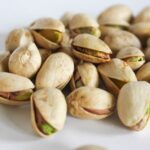
In the vast tapestry of nature’s bounty, certain foods stand out not just for their taste, but for an almost mythical ability to nourish, heal, and sustain. Among these revered edibles, the pistachio, with its vibrant green hue cradled within a naturally split shell, has carved a unique and enduring niche. More than just a delightful crunch, the pistachio embodies a narrative stretching back millennia, a tale of ancient empires, trade routes, and a consistent presence in the human diet, culminating in its modern recognition as an undisputed "ultimate superfood snack." For the discerning mind, the journey into the heart of the pistachio reveals a symphony of science, history, and pure, unadulterated goodness.
A Whisper from Ancient Lands: The Pistachio’s Enduring Story
Our story begins not in a sterile laboratory, but in the sun-drenched landscapes of Central Asia and the Middle East, specifically ancient Persia, where the pistachio ( Pistacia vera ) first flourished. Imagine nomadic tribes and early civilizations, their diets often sparse, discovering this resilient nut, packed with energy and vital nutrients. It wasn’t long before the pistachio transcended mere sustenance, evolving into a symbol of wealth, health, and good fortune.
Referred to as the "Green Gold" or "Smiling Nut" (due to its naturally cracked shell resembling a smile), pistachios were a coveted delicacy among royalty and the elite. Legend has it that the Queen of Sheba declared pistachios an exclusive royal food, forbidding commoners from cultivating or consuming them. This royal decree only amplified its mystique. They were a staple in the hanging gardens of Babylon and are mentioned in the Old Testament, suggesting their deep roots in human history and culture.
The Silk Road, that legendary network of trade routes connecting East and West, played a pivotal role in the pistachio’s global expansion. Caravans laden with spices, silks, and precious goods also carried these precious nuts, introducing them to the Mediterranean world. The Romans, ever eager to embrace new luxuries and exotic foods, brought pistachios to Italy in the 1st century AD. From there, their journey continued, slowly but surely embedding themselves into the culinary traditions of Europe and eventually, with the advent of modern agriculture, finding a new home in the sun-kissed orchards of California and other suitable climates.
This rich historical tapestry is not just an interesting anecdote; it speaks to the inherent resilience and nutritional density of the pistachio. For millennia, without the benefit of modern scientific analysis, humanity instinctively recognized its value. Our ancestors, driven by practical needs, passed down the wisdom of its worth. Today, science merely quantifies and explains the profound truth they already knew: the pistachio is truly special.
Unpacking the Emerald Jewel: A Nutritional Powerhouse Revealed
For the knowledgeable individual, the term "superfood" isn’t just marketing hype; it implies a dense concentration of beneficial compounds that work synergistically to support optimal health. The pistachio unequivocally fits this description, boasting a nutritional profile that reads like a wish list for well-being. Let’s delve into the intricate architecture of this emerald jewel.
The Macronutrient Foundation: Fueling the Body and Mind
At its core, the pistachio provides a balanced blend of macronutrients essential for energy, repair, and overall bodily function.
-
Protein: The Building Block of Life: Pistachios are a significant source of plant-based protein, offering a substantial amount per serving. Crucially, they contain a good spectrum of essential amino acids, making them a valuable protein source, particularly for vegetarians and vegans. Protein is vital for muscle repair, enzyme production, hormone synthesis, and a myriad of other physiological processes. Its presence also contributes significantly to satiety, helping to curb hunger and manage appetite.
-
Healthy Fats: The Heart’s Best Friend: Often, nuts are mistakenly feared for their fat content. However, the fats in pistachios are predominantly the healthy kind. They are rich in monounsaturated fatty acids (MUFAs), like oleic acid, and polyunsaturated fatty acids (PUFAs), including linoleic acid. These "good fats" are crucial for heart health, helping to lower LDL ("bad") cholesterol and increase HDL ("good") cholesterol, thus promoting a healthier lipid profile. They also play a role in nutrient absorption and provide a sustained source of energy. The fat profile of pistachios contributes to their satisfying mouthfeel and their ability to keep you feeling full for longer.
-
Fiber: The Gut’s Unsung Hero: A single serving of pistachios delivers a commendable dose of dietary fiber, both soluble and insoluble. Fiber is a cornerstone of digestive health. Insoluble fiber adds bulk to stool, facilitating regular bowel movements and preventing constipation. Soluble fiber, on the other hand, acts as a prebiotic, feeding the beneficial bacteria in your gut. This symbiotic relationship fosters a robust gut microbiome, which is increasingly recognized as central to immune function, mood regulation, and even metabolic health. Furthermore, fiber contributes to satiety and helps regulate blood sugar levels.
-
Complex Carbohydrates: Sustained Energy, Not Spikes: While not as carb-dense as grains, pistachios provide complex carbohydrates that offer sustained energy release. Their low glycemic index means they cause a slower, more gradual rise in blood sugar compared to refined carbohydrates, making them an excellent snack for maintaining stable energy levels and preventing the dreaded "sugar crash."
The Micronutrient Marvels: A Symphony of Vitamins and Minerals
Beyond the macros, pistachios are veritable treasure chests of essential vitamins and minerals, each playing a critical role in human health.
- Vitamin B6 (Pyridoxine): Pistachios are one of the richest sources of Vitamin B6 among nuts. This vitamin is indispensable for over 100 enzyme reactions in the body, including protein metabolism, red blood cell formation, and the synthesis of neurotransmitters like serotonin and melatonin, which influence mood and sleep. It’s also vital for immune function.
- Potassium: An electrolyte crucial for maintaining fluid balance, nerve signals, and muscle contractions. A diet rich in potassium can help counteract the effects of sodium and contribute to healthy blood pressure levels.