In an era defined by nutritional pendulum swings, where yesterday’s villain becomes today’s hero and vice versa, few foods have endured a more tumultuous journey than butter. Once a revered staple, the golden emulsion of cream was unceremoniously demonized, relegated to the dietary blacklist by the low-fat dogma that swept the globe for decades. Yet, as the dust settles and scientific scrutiny pierces through layers of misconception, butter is not merely reclaiming its rightful place on our tables; it is emerging as a critical, irreplaceable player in the symphony of human health – specifically, as the optimal delivery system for the triumvirate of fat-soluble powerhouses: Vitamins A, D, and K2.
This isn’t just a story of food, but a narrative woven through history, biochemistry, and the profound wisdom of traditional diets. It’s the tale of how a simple dairy product, often misunderstood, acts as an indispensable facilitator, unlocking vital nutrients that are otherwise mere ghosts in our digestive tracts. For the knowledgeable seeker of health, understanding this intricate dance between butter and these fat-soluble vitamins isn’t just about dietary choices; it’s about optimizing biological function, from robust bone health and radiant skin to cardiovascular integrity and immune resilience.
A Historical Echo: From Sacred Fat to Scapegoat
Before the advent of industrial food processing and the subsequent rise of the “lipid hypothesis,” butter held an esteemed position in nearly every traditional culture that had access to dairy. From the Ayurvedic traditions of India, where ghee (clarified butter) is considered sacred and medicinal, to the Viking sagas celebrating its richness, and the European peasant diets sustained by its energy and nourishment, butter was a symbol of sustenance, vitality, and prosperity. It was a food consumed for its perceived strength-giving properties, its ability to keep families healthy through harsh winters, and its unparalleled flavor. Our ancestors, guided by instinct and generations of empirical observation, understood its value long before biochemistry could explain why.
The mid-20th century, however, brought a dramatic shift. As rates of heart disease soared, a simplistic, albeit well-intentioned, hypothesis emerged: dietary fat, particularly saturated fat, was the culprit. Butter, being rich in saturated fat, became a prime target. It was swiftly replaced by industrially processed vegetable oils and hydrogenated margarines, marketed as healthier alternatives. This era marked a profound departure from ancestral dietary wisdom, ushering in a low-fat paradigm that, in hindsight, inadvertently created a silent epidemic of nutrient deficiencies, particularly concerning the very fat-soluble vitamins butter was designed to deliver.
What was lost in this dietary revolution was the understanding that not all fats are created equal, and more critically, that fat isn’t just a caloric input; it’s a matrix for nutrient absorption. The human body, a marvel of evolutionary design, developed alongside foods like butter, learning to efficiently extract and utilize the fat-soluble compounds embedded within them.
The General Mechanism: Why Fat is Non-Negotiable for A, D, and K2
To truly appreciate butter’s role, we must first understand the fundamental mechanism of fat-soluble vitamin absorption. Unlike water-soluble vitamins (like Vitamin C or B vitamins), which dissolve readily in water and are absorbed directly into the bloodstream, Vitamins A, D, E, and K require dietary fat for their assimilation. Without adequate fat, these crucial micronutrients pass through the digestive system largely unabsorbed, essentially making their consumption futile.
The journey begins in the stomach, where gastric lipases start the initial breakdown of fats. The real magic, however, unfolds in the small intestine. Here, bile acids, produced by the liver and stored in the gallbladder, emulsify the dietary fats, breaking them into tiny droplets. This dramatically increases the surface area for pancreatic lipases, enzymes that further break down triglycerides into monoglycerides and free fatty acids.
These smaller lipid components, along with the fat-soluble vitamins, then coalesce with bile acids to form microscopic structures called micelles. Micelles are essentially tiny, water-soluble spheres with a hydrophobic (fat-loving) interior, acting as shuttle buses that transport the fat-soluble vitamins to the surface of the intestinal cells (enterocytes). Once at the enterocyte membrane, the vitamins and other lipid components diffuse across.
Inside the enterocytes, the monoglycerides and fatty acids are re-esterified back into triglycerides. These triglycerides, along with cholesterol and the fat-soluble vitamins, are then packaged into even larger lipoprotein particles called chylomicrons. These chylomicrons are too large to enter the bloodstream directly, so they are first released into the lymphatic system, eventually making their way into the general circulation. From there, they are delivered to various tissues, including the liver, where they are processed and stored or distributed.
This intricate process underscores a critical point: the quality and composition of the dietary fat matter. Butter, with its unique blend of short-chain, medium-chain, and long-chain fatty acids, along with its specific phospholipid profile, provides an ideal environment for micelle formation and subsequent chylomicron packaging. It’s not just any fat; it’s a perfectly orchestrated lipid matrix that optimizes this complex absorption cascade.
Vitamin A: The Visionary and Immune Guardian
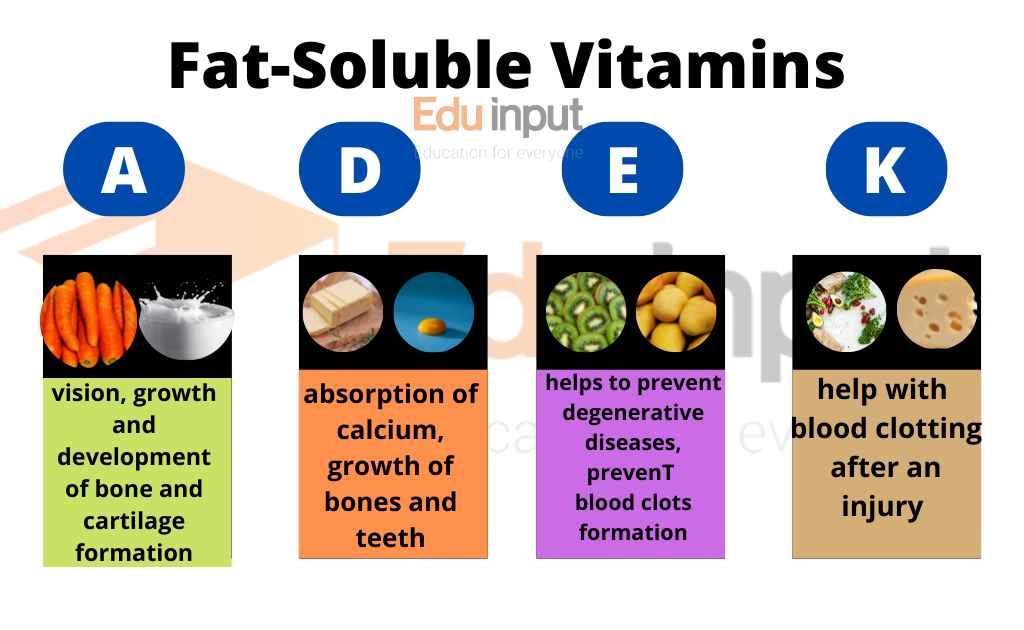
Vitamin A, often synonymous with carrots and good eyesight, is far more encompassing in its physiological roles. Primarily found in two forms in the diet: preformed Vitamin A (retinol, retinyl esters) from animal sources and provitamin A carotenoids (like beta-carotene) from plant sources. Butter, especially grass-fed butter, is a rich source of preformed Vitamin A in the form of retinyl esters, the most bioavailable and readily utilized form.
Key Functions:
- Vision: Retinal, a derivative of Vitamin A, is a crucial component of rhodopsin, the light-sensitive pigment in the retina that enables low-light vision.
- Immune Function: Vitamin A plays a critical role in the development and differentiation of immune cells, maintaining the integrity of mucosal barriers (e.g., respiratory, gastrointestinal, urinary tracts) which are the first line of defense against pathogens.
- Cell Growth and Differentiation: Essential for healthy cell growth, specialization, and tissue maintenance, particularly in the skin, lungs, and gut lining.
- Reproduction and Fetal Development: Crucial for healthy reproductive function in both males and females, and for proper embryonic and fetal development.
Butter’s Role in Absorption:
When we consume retinyl esters from butter, they are hydrolyzed by pancreatic enzymes in the small intestine to release free retinol. This retinol then joins the micelle formation process described earlier. Inside the enterocyte, retinol is re-esterified into retinyl esters and packaged into chylomicrons. This direct absorption pathway is highly efficient.
While the body can convert provitamin A carotenoids from plants into retinol, this conversion process is often inefficient and highly variable, depending on genetics, gut health, and the presence of fat. Consuming plant sources of Vitamin A (like spinach or sweet potatoes) alongside butter significantly enhances the absorption and conversion of their carotenoids. The fats in butter aid in the release of carotenoids from the plant matrix, facilitate micelle formation, and provide the necessary lipid environment for subsequent conversion and absorption. Therefore, butter serves as both a direct source of highly bioavailable Vitamin A and a potent enhancer for plant-derived precursors.
Vitamin D: The Sunshine Hormone’s Partner
Vitamin D, often called the "sunshine vitamin" because our skin can synthesize it upon exposure to UVB rays, is technically a prohormone. While sunlight is a primary source, dietary intake of Vitamin D is increasingly recognized as crucial, especially in regions with limited sun exposure or for individuals with darker skin tones. Butter, particularly from grass-fed cows, contains a respectable amount of Vitamin D3 (cholecalciferol), the most biologically active form.
Key Functions:
- Calcium and Phosphate Homeostasis: Vitamin D’s most well-known role is regulating calcium and phosphate levels in the blood, essential for bone mineralization and preventing conditions like rickets and osteomalacia. It enhances calcium absorption in the gut.