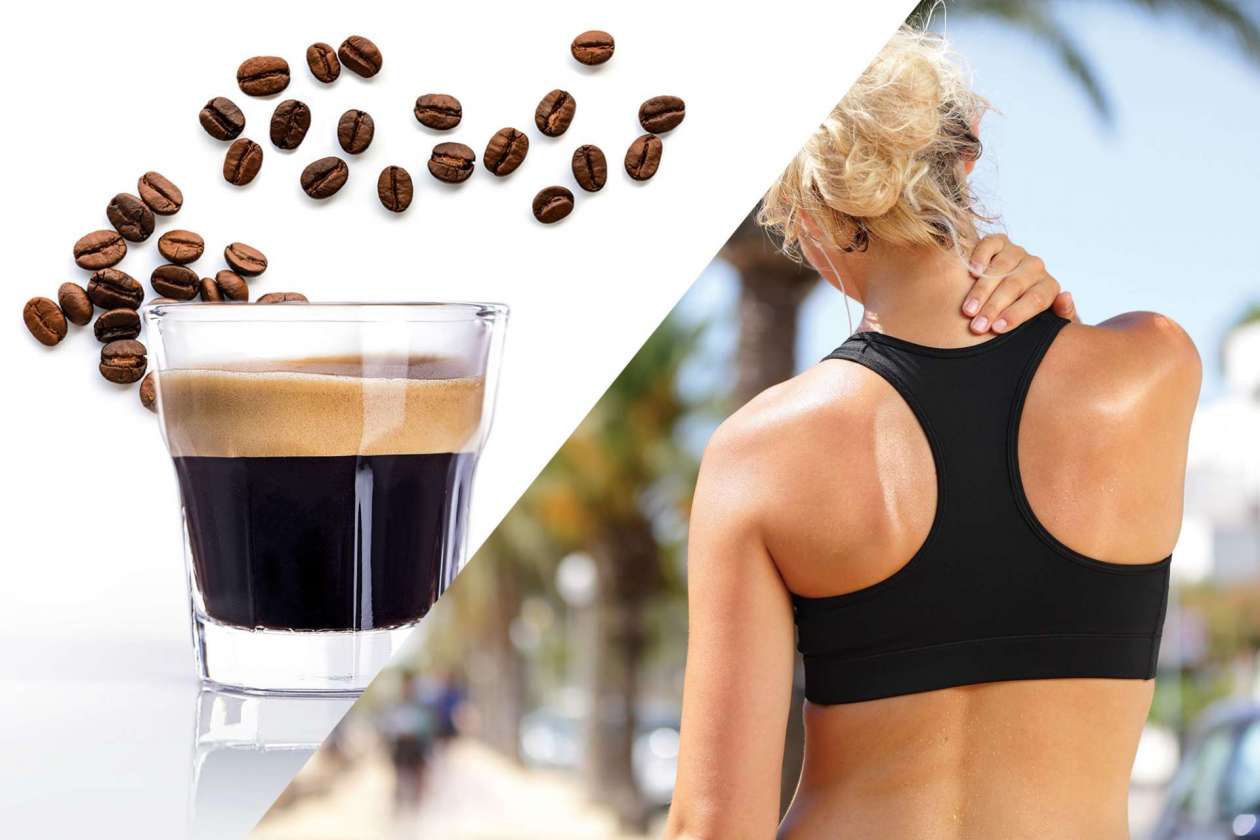
The ritual is familiar to countless fitness enthusiasts, athletes, and weekend warriors: the triumphant, yet slightly trembling, walk out of the gym. You’ve pushed your limits, embraced the burn, and now a quiet dread begins to settle in. It’s the whisper of Delayed Onset Muscle Soreness (DOMS), the unwelcome companion that promises to make sitting, standing, or even laughing a minor ordeal for the next 24 to 72 hours. In this universal quest for relief, we often turn to a myriad of remedies – ice baths, foam rolling, stretching, protein shakes. But what if one of our most beloved daily elixirs, the humble cup of coffee, held a secret weapon against the post-workout ache?
For many, coffee is already an indispensable pre-workout fuel, a jolt to sharpen focus and enhance performance. Its energy-boosting properties are well-documented and widely embraced. Yet, the narrative surrounding coffee and exercise often stops there, overlooking its potential role in the crucial post-exercise recovery phase. Could this dark, aromatic brew, beyond its stimulating kick, offer a genuine physiological advantage in mitigating muscle soreness? This isn’t just about feeling more awake when your muscles scream; it’s about a deeper, more nuanced interaction between coffee’s complex chemistry and the body’s intricate recovery processes.
To truly understand if coffee can be a post-gym perk for sore muscles, we must embark on a journey. We’ll delve into the very nature of DOMS, dissect coffee’s multifaceted chemical composition, explore the scientific evidence (and its limitations), and ultimately, weave a story that moves beyond anecdotal evidence to uncover the profound potential of this everyday beverage as a sophisticated recovery aid.
The Agony of DOMS: Understanding the Enemy Within
Before we can position coffee as a potential ally, we must first intimately understand the adversary: Delayed Onset Muscle Soreness. DOMS is more than just a vague ache; it’s a complex physiological response that has been misunderstood for decades. For a long time, the culprit was erroneously identified as lactic acid buildup. However, modern sports science has firmly debunked this myth. Lactic acid is a metabolic byproduct produced during intense anaerobic exercise, but it clears from the muscles relatively quickly, typically within an hour after cessation of activity. It plays no direct role in the pain experienced days later.
The true story of DOMS is far more intricate and involves a cascade of events initiated by mechanical stress, particularly during eccentric contractions. These are the lengthening phases of muscle movement – think of lowering a dumbbell in a bicep curl, or the downhill portion of a run. Eccentric contractions, while vital for strength development, place immense stress on muscle fibers, causing microscopic tears or damage at the myofibrillar level.
This initial micro-trauma triggers a localized inflammatory response. The body, in its wisdom, perceives this damage and mobilizes its repair mechanisms. Immune cells, such as macrophages, infiltrate the damaged tissue. They release various inflammatory mediators – cytokines, prostaglandins, histamine, bradykinin – which sensitize local nerve endings (nociceptors) and contribute to swelling and tenderness. This entire process, from initial damage to peak inflammatory response and subsequent repair, unfolds over 24 to 72 hours, perfectly aligning with the typical timeline of DOMS.
The pain itself isn’t just from the physical damage; it’s a combination of the sensitized nerve endings, the localized swelling compressing those nerves, and the altered muscle function due to the ongoing repair. It’s a signal, a reminder that the body is actively rebuilding itself, adapting to the stress, and preparing for future challenges. For the knowledgeable audience, it’s crucial to appreciate that DOMS, while uncomfortable, is often a sign of effective training and subsequent adaptation. The goal isn’t to eliminate it entirely (which might hinder adaptation), but to manage its severity to allow for consistent training and a better quality of life.
Coffee’s Chemical Arsenal: More Than Just a Jolt
With a clear understanding of DOMS, we can now turn our attention to coffee, not just as a beverage, but as a complex phytochemical concoction. While caffeine is undeniably its most famous constituent, to attribute all of coffee’s potential post-gym benefits solely to caffeine would be a disservice to its intricate chemistry. Coffee is a rich source of thousands of bioactive compounds, many of which possess antioxidant and anti-inflammatory properties that could directly impact the DOMS cascade.
The Star Player: Caffeine and Pain Perception
Caffeine (1,3,7-trimethylxanthine) is a potent central nervous system stimulant, but its mechanism of action extends beyond mere alertness. In the context of pain and exercise, caffeine primarily exerts its effects by antagonizing adenosine receptors (A1 and A2A). Adenosine is a neuromodulator that, among other roles, promotes pain perception and inflammation. By blocking these receptors, caffeine effectively reduces the sensation of pain.
Think of adenosine as a "brake" on neural activity and a "facilitator" of pain signals. Caffeine removes this brake. This antagonism has a direct impact on nociception – the processing of noxious stimuli by the nervous system that results in the subjective experience of pain. Studies have shown that caffeine can reduce perceived effort during exercise and blunt muscle pain, even when the physiological markers of muscle damage remain unchanged. This suggests caffeine might not prevent the cause of DOMS, but it can significantly alter our experience of it. For an athlete enduring a tough training block, this can be invaluable, allowing them to maintain consistent performance and mental resilience.
Furthermore, caffeine can influence the release of neurotransmitters like dopamine and norepinephrine, which can indirectly affect mood and pain tolerance. A better mood and higher pain tolerance, even if the underlying physiological damage persists, can make DOMS feel less debilitating and improve overall recovery perception.
Beyond Caffeine: The Unsung Heroes – Antioxidants and Anti-inflammatories
While caffeine takes center stage, the supporting cast in coffee deserves significant credit. Coffee beans are brimming with polyphenols, powerful antioxidants that scavenge free radicals and mitigate oxidative stress. Intense exercise, particularly the type that causes DOMS, generates reactive oxygen species (ROS), which contribute to cellular damage and inflammation. By neutralizing these free radicals, coffee’s antioxidants could potentially reduce the initial oxidative insult and dampen the inflammatory response.
Key antioxidant compounds in coffee include:
- Chlorogenic Acids (CGAs): These are among the most abundant polyphenols in coffee. CGAs have demonstrated potent antioxidant and anti-inflammatory properties in numerous in vitro and in vivo studies. They can inhibit pro-inflammatory enzymes and reduce the production of inflammatory cytokines.
- Melanoidins: Formed during the roasting process, these dark-colored compounds contribute to coffee’s flavor and color, but also possess significant antioxidant and anti-inflammatory activities.
- Quinic Acid, Caffeic Acid, Ferulic Acid: Other phenolic compounds found in coffee that contribute to its overall antioxidant capacity.
The anti-inflammatory effects of these compounds are particularly relevant to DOMS. By modulating the inflammatory cascade, coffee could potentially reduce the swelling and nerve sensitization that contribute to the pain. Instead of simply masking the pain (like caffeine might), these compounds could be actively working to temper the underlying physiological processes that cause it.
The synergy between caffeine and these other compounds is also a fascinating area. It’s plausible that caffeine’s pain-modulating effects are amplified or complemented by the anti-inflammatory actions of the polyphenols, leading to a more comprehensive post-workout recovery benefit than either component could achieve alone. This holistic view of coffee’s chemistry underscores why it might be more effective than simply taking a caffeine pill.
The Science Speaks: Research and Evidence
The theoretical framework for coffee’s role in DOMS reduction is compelling, but what does the scientific literature actually say? Research into caffeine and muscle soreness has been ongoing for several decades, yielding increasingly sophisticated insights.
Early studies, often focusing on acute caffeine intake, demonstrated a clear effect on pain perception. For instance, a seminal 2007 study published in The Journal of Pain found that a moderate dose of caffeine (5 mg/kg body weight) ingested an hour before exercise significantly reduced muscle pain during and after a bout of eccentric exercise. Participants reported less soreness over the subsequent days compared to a placebo group. This suggested a pre-emptive strategy: taking caffeine before the workout could blunt the DOMS response.
Subsequent research has largely supported these findings. A meta-analysis published in the British Journal of Sports Medicine concluded that caffeine intake can indeed reduce perceived muscle pain during exercise, which indirectly suggests a benefit for DOMS by making the initial workout feel less taxing and potentially allowing for better form despite muscle fatigue. While this meta-analysis focused on pain during exercise, the mechanisms involved (adenosine receptor antagonism) are equally relevant to post-exercise pain.
More specifically, studies directly investigating caffeine’s effect on DOMS have shown promising results. A 2013 study in the Journal of Strength and Conditioning Research found that subjects who consumed caffeine (5 mg/kg) one hour before an exhaustive eccentric exercise session experienced significantly less muscle soreness in the days following compared to a placebo group. The effect was particularly noticeable 24 and 48 hours post-exercise, which are typically the peak periods for DOMS.