In the intricate tapestry of human life, few desires are as fundamental and deeply ingrained as the drive to create and nurture new life. For centuries, the focus of fertility has largely centered on the female, often overlooking the equally crucial and complex role of the male. Yet, as our understanding of reproductive biology deepens, it becomes strikingly clear that male fertility, particularly the quality and volume of semen, is not merely a biological prerequisite but a profound indicator of overall male vitality and health. This realization marks a paradigm shift, empowering men to actively participate in their reproductive journey, not just as partners but as proactive agents of their own well-being.
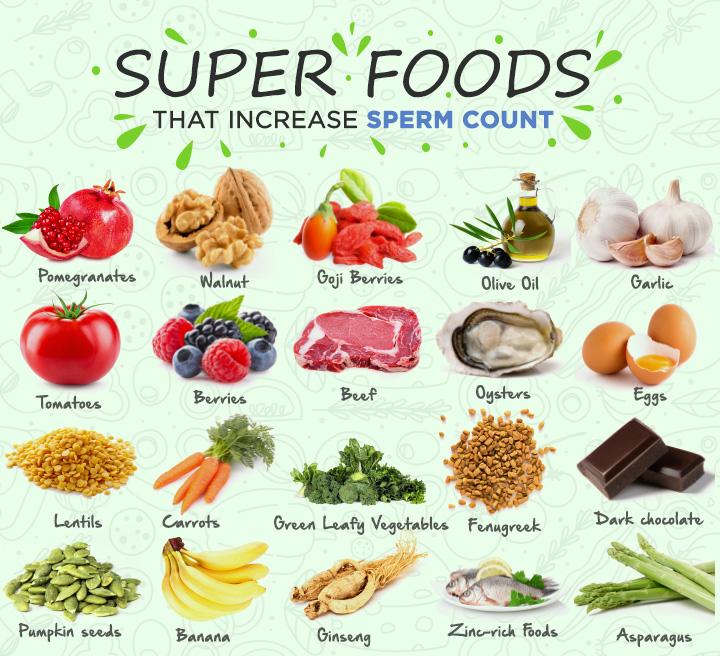
The journey to optimal semen quality and volume is not a quest for a mythical elixir, but rather a deliberate and sustained engagement with one of life’s most powerful forces: nutrition. It’s a story of how the very fuel we consume can directly influence the microscopic architects of life, enhancing their strength, resilience, and sheer numbers. For the knowledgeable individual seeking to understand and harness this power, this exploration delves into the scientific bedrock, unraveling the specific foods and nutrients that stand as proven allies in the pursuit of peak male reproductive health. It is a narrative of empowerment, revealing how conscious dietary choices can sculpt a future of vitality, fertility, and robust health.
The Biological Tapestry: Understanding Semen Production
Before we embark on our nutritional expedition, it’s essential to appreciate the remarkable biological symphony that culminates in the production of semen. This intricate process, primarily driven by the testes, epididymis, seminal vesicles, and prostate gland, is exquisitely sensitive to internal and external influences, with nutrition playing a starring role.
Semen is far more than just sperm; it’s a complex, multi-component fluid designed to transport, nourish, and protect sperm on their arduous journey. Its primary components include:
- Spermatozoa: The male gametes, produced in the seminiferous tubules of the testes through a process called spermatogenesis. This takes approximately 72-74 days and involves a series of cell divisions and maturation steps.
- Seminal Plasma: The fluid component, largely secreted by the accessory glands.
- Seminal Vesicles: Contribute about 60-70% of the seminal volume, rich in fructose (energy for sperm), prostaglandins, and coagulating proteins.
- Prostate Gland: Contributes about 20-30%, providing citrate (nutrient), prostate-specific antigen (PSA) for liquefaction, and zinc (stability).
- Bulbourethral Glands: Secrete a small amount of clear fluid that lubricates the urethra and neutralizes any acidic urine residue.
What defines "good" semen quality? Clinically, it’s assessed by several parameters:
- Sperm Count (Concentration): The number of sperm per milliliter of semen. Higher counts generally indicate greater fertility potential.
- Motility: The percentage of sperm that are moving and their swimming patterns (progressive vs. non-progressive). Sperm must be able to swim vigorously to reach and fertilize an egg.
- Morphology: The size and shape of the sperm. Abnormally shaped sperm may have difficulty fertilizing an egg.
- Volume: The total amount of fluid ejaculated. Lower volume can indicate issues with accessory gland function or blockages.
- Liquefaction: Semen initially coagulates but should liquefy within 15-30 minutes, allowing sperm to move freely.
- pH: The acidity or alkalinity, typically slightly alkaline, crucial for sperm survival.
At a cellular level, sperm are incredibly vulnerable. They are packed with DNA, which is susceptible to damage from reactive oxygen species (ROS), often referred to as oxidative stress. This occurs when there’s an imbalance between the production of free radicals and the body’s ability to neutralize them with antioxidants. Oxidative stress is a primary culprit behind poor sperm motility, morphology, and DNA fragmentation, all of which compromise fertility. This is where nutrition steps in as a powerful defense mechanism and an essential building block.
The Nutritional Foundation: Macro and Micronutrients as Building Blocks
The body’s ability to produce robust, healthy sperm and ample seminal fluid is deeply intertwined with the availability of specific nutrients. Think of it as constructing a complex and delicate machine; without the right raw materials, the final product will be flawed.
Macronutrients: The Essential Framework
While micronutrients often steal the spotlight in fertility discussions, a solid foundation of macronutrients is non-negotiable.