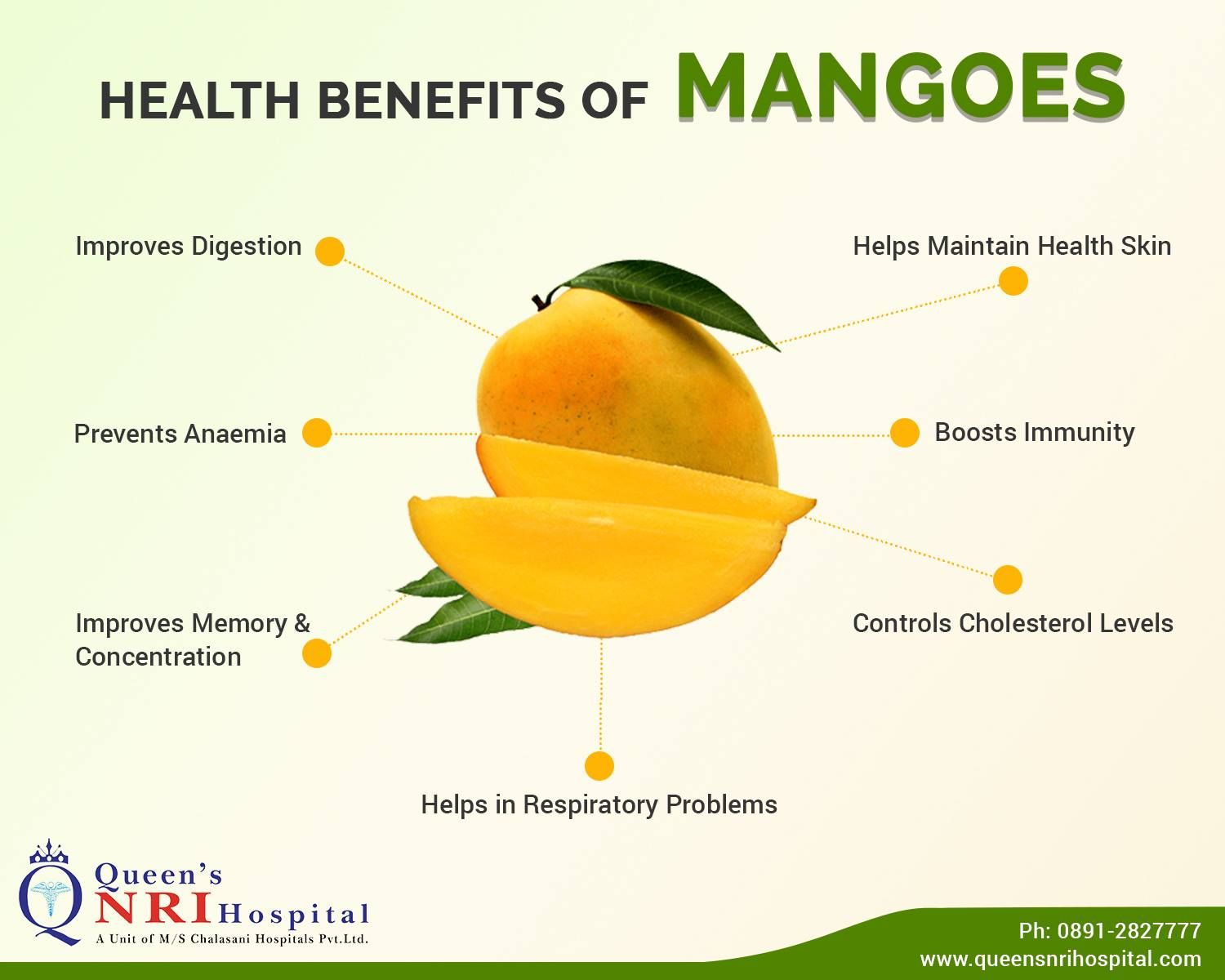
The very mention of its name conjures images of sun-drenched orchards, a vibrant spectrum of colors from emerald green to blushing crimson, and a fragrance so intoxicating it promises an instant escape to a tropical paradise. The mango, Mangifera indica, often hailed as the "King of Fruits," is far more than just a delicious treat. It is a symbol of abundance, a cornerstone of culinary traditions across continents, and, as modern science increasingly reveals, a powerhouse of health benefits that extend far beyond its succulent, golden flesh.
For generations, our relationship with the mango has been a simple one: peel, eat, discard. We meticulously remove the skin, often seeing it as a bitter, inedible casing, and toss aside the large, fibrous seed, considering it mere waste. But what if, in this habitual act, we have been unknowingly discarding a significant portion of the mango’s profound healing potential? What if the true story of this magnificent fruit begins not with its consumption, but with a paradigm shift: to stop peeling, and truly start healing?
This is the narrative we embark upon – a journey into the hidden depths of the mango, exploring its well-known attributes, uncovering the neglected treasures within its peel and seed, and even venturing into the medicinal properties of its leaves. For the discerning and knowledgeable audience, this isn’t just a list of nutrients; it’s a story of phytochemistry, traditional wisdom, and the evolving understanding of a fruit that has graced humanity for millennia.
The Golden Pedigree: A Historical and Cultural Tapestry
Our story begins in the verdant plains of South Asia, specifically India, where the mango first emerged over 4,000 years ago. Revered in Hindu mythology as a symbol of love and fertility, its presence is woven into ancient texts, art, and religious ceremonies. Buddhist monks carried mango saplings across Asia, spreading its cultivation and cementing its status as a sacred and highly prized fruit. From India, it traveled to Persia, then to East Africa, and eventually, in the 16th century, to the Americas via Portuguese explorers.
Today, the mango is cultivated in most tropical and subtropical regions of the world, boasting over 1,000 known varieties, each with its unique flavor profile, texture, and aroma. From the Alphonso of India to the Tommy Atkins of Florida, the Ataúlfo of Mexico to the Kent of Peru, the global love affair with the mango is undeniable. But beyond its deliciousness, its enduring legacy lies in its inherent capacity to nourish and heal.
The Flesh: A Familiar Fountain of Wellness
Let us first acknowledge the undisputed star: the vibrant, sweet flesh. This is where most of us begin our mango healing journey. A single cup of mango provides a formidable array of essential nutrients, immediately establishing its credentials as a health champion.
- Vitamin C Powerhouse: Mangoes are an excellent source of Vitamin C, a potent antioxidant crucial for immune function, collagen synthesis (vital for healthy skin, hair, and connective tissues), and iron absorption. This vitamin helps the body ward off infections and repair cellular damage, acting as a shield against oxidative stress.
- Vitamin A & Carotenoids: The golden hue of mango flesh is a testament to its rich concentration of beta-carotene, a precursor to Vitamin A. This vitamin is indispensable for vision health, supporting the retina and preventing conditions like night blindness. Beyond vision, Vitamin A plays a critical role in immune system regulation, cell growth, and maintaining healthy skin and mucous membranes. Other carotenoids like lutein and zeaxanthin further bolster eye health, filtering harmful blue light.
- Dietary Fiber: Mangoes are a good source of both soluble and insoluble fiber. Soluble fiber helps regulate blood sugar levels, lower cholesterol, and feed beneficial gut bacteria. Insoluble fiber aids in digestion, promoting regularity and preventing constipation. This dual action makes mango a gut-friendly fruit, essential for overall well-being.
- Potassium: An electrolyte vital for maintaining fluid balance, blood pressure regulation, and proper nerve and muscle function. Adequate potassium intake is crucial for cardiovascular health.
- Enzymes for Digestion: Mangoes contain digestive enzymes like amylases, which help break down complex carbohydrates into simpler sugars. This can aid in easier digestion, particularly for those with digestive sensitivities, and improve nutrient absorption.
These well-documented benefits alone make mangoes a worthy addition to any diet. Yet, the story truly takes an intriguing turn when we move beyond the familiar.
The Unsung Hero: Mango Peel – A Treasure Trove Discarded
Here lies the crux of our "Stop Peeling, Start Healing" mantra. For too long, the mango peel has been relegated to the compost bin, dismissed as mere protective casing. However, scientific research is increasingly revealing that this discarded layer is a veritable goldmine of bioactive compounds, often in higher concentrations than the flesh itself.
The mango peel is a complex matrix of fiber, vitamins, and, most notably, an extraordinary array of phytochemicals – plant-derived compounds with potent antioxidant, anti-inflammatory, and even anti-cancer properties.
- Mangiferin: This is perhaps the star compound of the mango, found in significant concentrations in the peel (and leaves). Mangiferin is a xanthonoid, a class of polyphenols renowned for their powerful antioxidant activity. Studies have shown mangiferin to possess anti-inflammatory, anti-diabetic, anti-viral, anti-allergic, and neuroprotective effects. It helps protect cells from oxidative damage, modulates immune responses, and may even play a role in inhibiting tumor growth.
- Polyphenols & Flavonoids: The peel is particularly rich in a diverse range of polyphenols, including quercetin, gallic acid, ellagic acid, catechins, and anthocyanins (responsible for the red and purple hues in some varieties). These compounds are exceptional free radical scavengers, protecting the body’s cells and DNA from damage caused by environmental toxins, stress, and metabolic processes. Their anti-inflammatory action is crucial in combating chronic diseases.
- Triterpenes & Triterpenoids: These compounds, also abundant in the peel, contribute to its anti-inflammatory and potential anti-cancer properties.
- More Fiber: The peel significantly boosts the total fiber content of the mango, further enhancing its digestive benefits and contributing to satiety.
How to Integrate Mango Peel:
The idea of eating mango peel might sound unusual, but it’s becoming increasingly recognized.
- Washed and Thinly Sliced: For organic mangoes, simply wash thoroughly and consume small amounts with the fruit. The flavor can be slightly tart or bitter, so start small.