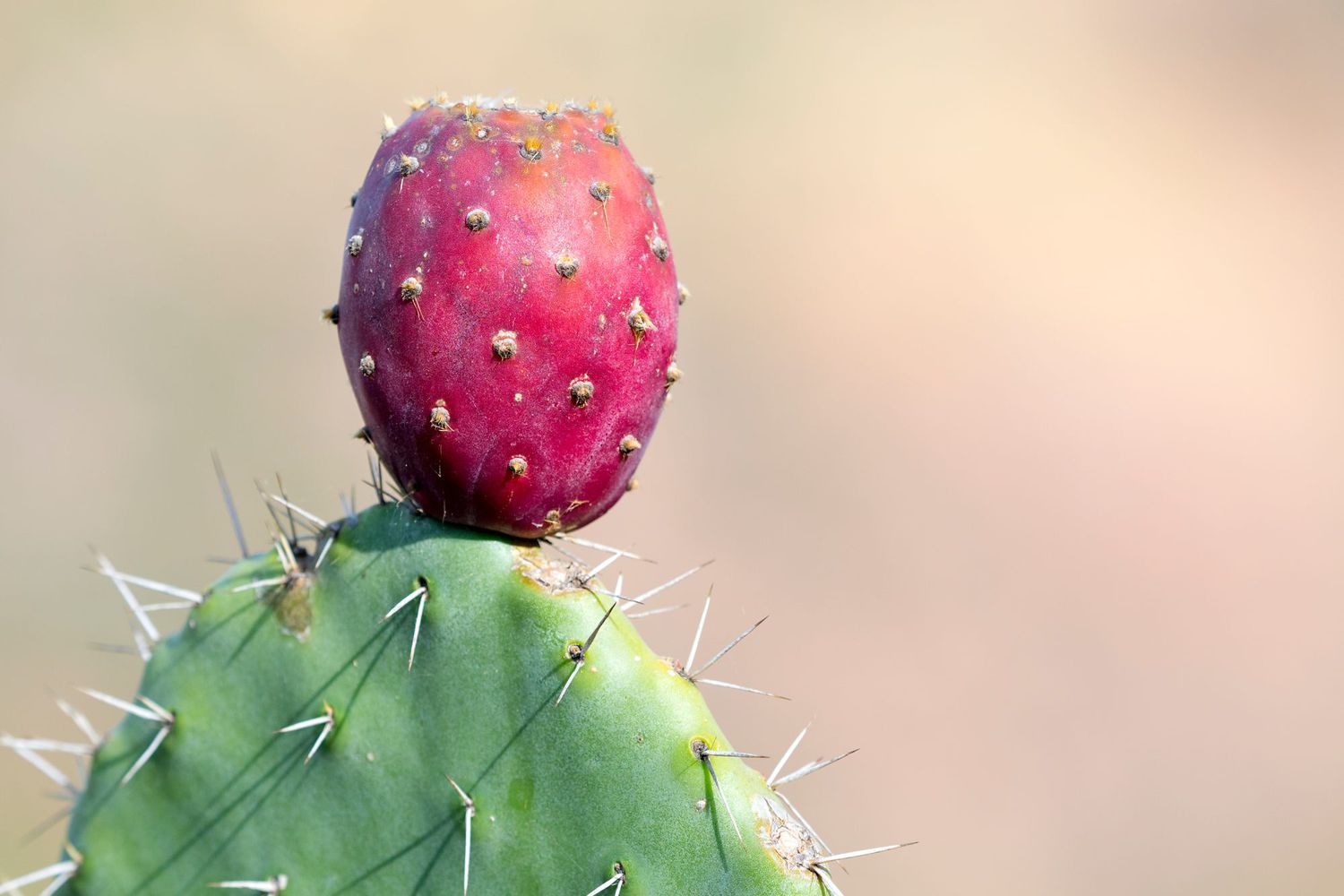
The culinary landscape is a relentless explorer, an ever-shifting tapestry woven with threads of tradition, innovation, necessity, and desire. Every few years, a new ingredient emerges from the periphery, captures the zeitgeist, and ascends to the coveted status of "must-have." From kale to quinoa, acai to adaptogens, these culinary darlings often embody a convergence of health benefits, sustainability narratives, and untapped sensory experiences. As we stand on the cusp of 2026, the whispers have coalesced into a resounding chorus, heralding the arrival of a truly remarkable contender: the humble, yet extraordinarily potent, cactus fruit.
Imagine a world where the future of food isn’t found in a lab-grown protein, nor a genetically engineered super-crop, but in an ancient, resilient plant that has silently sustained civilizations for millennia. This isn’t a dystopian fantasy, but a vibrant reality, painted in the hues of magenta, emerald, and gold, bursting with a flavor profile that tantalizes and a nutritional density that nourishes. The cactus fruit, specifically the prickly pear (Opuntia ficus-indica), is poised to transcend its arid origins and become the culinary sensation defining the mid-2020s. Its journey from a thorny desert survivor to a global gastronomic star is a compelling story of rediscovery, resilience, and revolutionary potential, making it undeniably 2026’s most sought-after ingredient.
Chapter 1: Echoes of Ancestry – The Reawakening of an Ancient Staple
The story of the cactus fruit is not a new one; it is, in fact, an epic, thousands of years in the making. Long before the term "superfood" entered our lexicon, indigenous communities across the Americas, particularly in Mesoamerica, revered the prickly pear. Known as tuna for its fruit and nopal for its pads, this plant was a cornerstone of their diet, medicine, and culture. From the Aztecs, who depicted it on their national flag, symbolizing the heart of their empire, to the early Spanish chroniclers marveling at its widespread use, the cactus was synonymous with survival and sustenance in harsh environments. Its vibrant fruits were eaten fresh, dried, or fermented into drinks, while its pads were cooked as a vegetable, a source of hydration, and even a building material.
For centuries, this knowledge remained largely confined to its native lands and specific diaspora communities. In the Western culinary world, the prickly pear was often viewed with a mixture of curiosity and apprehension – its formidable thorns and somewhat unfamiliar appearance proving a significant barrier to mainstream adoption. It was seen as an exotic oddity, a "desert fruit" relegated to specialty markets or the occasional adventurous chef.
However, the dawn of the 21st century brought with it a profound shift in global consciousness. A renewed appreciation for ancestral wisdom, a quest for authentic and ethically sourced ingredients, and a growing fatigue with mass-produced uniformity began to take hold. Chefs, food scientists, and health enthusiasts started looking beyond the usual suspects, digging deeper into forgotten traditions and indigenous foodways. This collective culinary introspection created fertile ground for the prickly pear’s re-emergence. Its story, deeply rooted in resilience and cultural heritage, resonated with a generation yearning for authenticity and a connection to the land. The initial skepticism surrounding its thorny exterior began to dissipate as innovative processing techniques and a deeper understanding of its incredible bounty opened the door for a true culinary reawakening. The stage was set for its triumphant return, not as a forgotten relic, but as a visionary ingredient for a new era.
Chapter 2: The Nutritional Nexus – A Powerhouse Packed for the Future
If the historical narrative provides the soul of the cactus fruit’s resurgence, its nutritional profile is undoubtedly its undeniable engine. In an age where consumers are increasingly informed and discerning about what they put into their bodies, the prickly pear stands out as a veritable powerhouse of health-promoting compounds, far exceeding the modest expectations its desert origins might suggest.
At the heart of its allure are the vibrant pigments that give the fruit its signature ruby-red, orange, or yellow hues: betalains. These aren’t just pretty colors; betalains are potent antioxidants, a class of compounds far less common than anthocyanins (found in berries) but with equally, if not more, impressive health benefits. Research into betalains suggests significant anti-inflammatory properties, making them valuable allies in the fight against chronic diseases, oxidative stress, and even age-related cellular damage. Imagine a natural ingredient that actively helps your body combat the daily onslaught of environmental toxins and internal stressors – this is the promise of the betalains in cactus fruit.
Beyond these unique antioxidants, the prickly pear is a robust source of essential vitamins and minerals. It boasts significant levels of Vitamin C, a crucial immune booster and collagen synthesiser, vital for skin health and overall vitality. B-complex vitamins contribute to energy metabolism and neurological function, ensuring that the body operates efficiently. Minerals like magnesium, potassium, and calcium are present in quantities that contribute meaningfully to bone health, electrolyte balance, and muscle function – crucial for an active lifestyle. For instance, the potassium content can rival that of bananas, making it an excellent natural way to replenish electrolytes, especially appealing to athletes and those seeking natural hydration solutions.
Perhaps one of the most compelling health attributes, particularly for a global population grappling with metabolic disorders, is its high fiber content. Both soluble and insoluble fibers are abundant in cactus fruit. Soluble fiber aids in managing blood sugar levels by slowing glucose absorption, making it a promising dietary addition for individuals managing or preventing type 2 diabetes. It also helps lower cholesterol by binding to bile acids. Insoluble fiber, on the other hand, promotes digestive regularity and gut health, contributing to a balanced microbiome – a cornerstone of modern holistic health. The synergistic effect of these fibers contributes to satiety, making it an excellent ingredient for weight management strategies, helping people feel fuller for longer and curbing unhealthy snacking.
Emerging research also points to the cactus fruit’s potential in liver protection, hangover relief, and even anti-cancer properties, though these areas require further study. The sum of these nutritional parts presents a compelling argument for its inclusion in a modern diet. It’s not just a "nice-to-have" ingredient; it’s a "need-to-have" for a future where preventative health and functional foods are paramount. Its multifaceted benefits resonate perfectly with a knowledgeable audience seeking ingredients that offer tangible, science-backed advantages, solidifying its position as a nutritional nexus for 2026 and beyond.
Chapter 3: Sustainability & Climate Resilience – A Desert Darling for a Changing World
The narrative of food in the 21st century is inextricably linked to the narrative of our planet. As climate change continues to exert its relentless pressure, demanding innovative solutions for food security and environmental stewardship, the cactus fruit emerges as a true ecological champion. Its inherent resilience and low-impact cultivation methods are not just admirable; they are increasingly essential, positioning it as a cornerstone of sustainable agriculture and a symbol of hope for a future facing resource scarcity.
The most striking feature of the prickly pear is its unparalleled drought tolerance. Thriving in arid and semi-arid regions where conventional crops struggle or fail, it requires minimal water, often subsisting on rainfall alone. This characteristic is not merely an advantage; it is a critical necessity in a world grappling with escalating water scarcity. As freshwater resources dwindle and irrigation becomes an unsustainable luxury in many regions, the cactus offers a viable, productive alternative, allowing for food production in lands previously deemed infertile or economically unfeasible. This makes it a lifeline for farmers in drought-stricken areas and a strategic crop for nations seeking to diversify their food sources away from water-intensive staples.
Beyond its water efficiency, the cactus plant is a master of resource utilization. It demands very little in terms of fertilizers or pesticides, further reducing its environmental footprint. Its robust nature means it’s less susceptible to common pests and diseases, minimizing the need for chemical interventions that can harm ecosystems and human health. This translates into cleaner soil, cleaner water, and a healthier agricultural environment.
Furthermore, the extensive root systems and fleshy pads of the cactus contribute to soil conservation and carbon sequestration. Planted on degraded or marginal lands, it can help prevent erosion, improve soil structure, and even reverse desertification, slowly transforming barren landscapes back into productive ones. The plant acts as a natural carbon sink, drawing carbon dioxide from the atmosphere and storing it, playing a small but significant role in mitigating climate change. Imagine vast tracts of land, once considered desolate, now teeming with life, producing food, and actively combating global warming – this is the vision that cactus cultivation offers.
The prickly pear also supports biodiversity. Its flowers provide a crucial food source for pollinators like bees and hummingbirds, and its dense growth offers habitat for various desert wildlife. This holistic approach to agriculture – where a single crop can feed people, restore land, conserve water, and support ecosystems – is precisely what the world needs. For the environmentally conscious consumer and the forward-thinking food industry, the cactus fruit isn’t just an ingredient; it’s a statement. It represents a commitment to a regenerative future, a choice for an ingredient that nourishes not just the body, but also the planet. Its story of resilience in the face of adversity mirrors humanity’s own challenge to adapt and thrive, making it an undeniably resonant and responsible choice for 2026.
Chapter 4: Culinary Versatility – Beyond the Prickles, a Palette of Possibilities
For any ingredient to truly become a "must-have," it must transcend its intrinsic benefits and prove its mettle in the kitchen. It must inspire, excite, and offer a broad spectrum of culinary applications. The cactus fruit, once its formidable thorns are expertly removed, reveals itself as an incredibly versatile ingredient, capable of elevating both sweet and savory dishes, and lending its unique character to a surprising array of preparations.
The flavor profile of cactus fruit is a revelation in itself. Often described as a delicate balance between a watermelon, a pear, and a fig, it offers a sweet, subtly tart, and slightly earthy taste with a refreshing juiciness. The texture, too, is appealing – reminiscent of a kiwi, with tiny edible seeds that add a pleasant crunch, though seedless varieties and processed forms are also gaining traction. This nuanced flavor and agreeable texture make it an incredibly adaptable canvas for culinary creativity.
In the realm of beverages, cactus fruit is already a star. Its vibrant juice is the foundation for aguas frescas, refreshing non-alcoholic drinks popular in Mexico. But its potential extends far beyond. Imagine cactus fruit-infused sparkling waters, artisanal sodas, or probiotic-rich fermented drinks like kombucha, offering a unique flavor twist and a boost of antioxidants. In the cocktail world, its vivid color and subtle sweetness make it a natural fit for margaritas, spritzes, and innovative mixology, lending an exotic touch and a beautiful hue. Smoothie bowls and fresh-pressed juices are further enhanced by its nutritional punch and distinctive taste.
On the savory side, the opportunities are equally exciting. Cactus fruit can be transformed into vibrant salsas and relishes, providing a sweet and tangy counterpoint to grilled meats, fish, or plant-based proteins. Its juice can be reduced into glazes for roasted vegetables or poultry, or incorporated into marinades, tenderizing and infusing dishes with its unique flavor. Think of a cactus fruit vinaigrette drizzled over a fresh salad, or a reduction enhancing a pan sauce. The fruit can even be diced and added to grain bowls or incorporated into savory tarts for a surprising burst of flavor and color. Its ability to bridge the gap between sweet and savory makes it a chef’s dream, allowing for innovative flavor combinations that challenge traditional palates.
For sweet applications, the possibilities are truly endless. Cactus fruit jams, jellies, and preserves are exquisite, offering a unique alternative to more common fruit spreads. Its natural sweetness and vibrant color make it ideal for sorbets, granitas, and ice creams, providing a refreshing and visually stunning dessert. Pastry chefs can incorporate it into tarts, mousses, and glazes, while home bakers can experiment with cactus fruit fillings for pies or muffins. Imagine a delicate cactus fruit crème brûlée or a vibrant panna cotta. Beyond fresh applications, its natural pectin content makes it excellent for setting preserves, and its juice can be concentrated into syrups for confectionery.
Crucially, the stunning, natural pigments (betalains) of the cactus fruit offer another layer of appeal. In an era where consumers are shying away from artificial colorings, the vibrant magentas, oranges, and reds derived from cactus fruit provide a compelling, natural alternative for food manufacturers and chefs alike. This ability to naturally color food products, while simultaneously delivering flavor and nutrients, adds significant value.
The journey from a thorny desert plant to a versatile culinary ingredient is a testament to human ingenuity and the plant’s intrinsic qualities. With advancements in processing making the fruit more accessible and user-friendly, chefs and home cooks alike are discovering that the cactus fruit is not just a passing trend, but a fundamental building block for the future of flavor, color, and culinary innovation. Its sheer adaptability ensures its presence across diverse culinary categories, securing its place as 2026’s indispensable ingredient.
Chapter 5: The Supply Chain & Market Evolution – From Niche to Global Staple
For an ingredient to truly achieve "must-have" status, it requires more than just inherent appeal; it demands a robust and efficient supply chain, supported by market innovation and strategic investment. The cactus fruit, once hampered by challenges related to harvesting and processing, is rapidly overcoming these hurdles, paving its way from a niche specialty to a global staple by 2026.
Historically, the primary barrier to widespread adoption of prickly pear was its formidable exterior. Harvesting the fruit is labor-intensive and requires careful handling to avoid the tiny, irritating glochids (spines) that cover its skin. De-thorning and processing were often manual, slow, and expensive, limiting its availability and increasing its cost. However, technological advancements are revolutionizing this aspect. Automated de-spining and processing machinery, combined with improved harvesting techniques, are significantly streamlining production. These innovations are reducing labor costs, enhancing safety, and making the fruit more accessible in various forms – fresh, frozen, dried, powdered, and as extracts or purees.