The late afternoon light, filtered through the kitchen window, cast a warm glow on Eleanor’s worn copy of a marine biology textbook. She traced the image of a salmon mid-leap, a silver arc against a crashing wave. For weeks, a subtle fog had seemed to cling to her mind, blurring the sharp edges of her usually precise thoughts. Her energy, too, felt like a flickering candle, often dimming before the day was done. She’d heard the whispers, read the headlines: "Eat fish, get smart! Boost your mood with Omega-3s!" But could a creature of the deep, a fish famous for its arduous upstream journey, truly hold the key to unlocking a clearer mind and a lighter heart?
Eleanor, a research librarian by trade, wasn’t one for fads. Her world was built on evidence, on peer-reviewed studies and verifiable facts. Yet, the persistent hum of anecdotal praise for salmon, combined with a growing body of scientific literature, had piqued her professional curiosity and, more importantly, her personal hope. This wasn’t just about finding another diet trend; it was about understanding a deeper connection between what we consume and who we become. Her journey to unravel the truth about salmon’s alleged superpowers began not in a bustling market, but in the quiet contemplation of a single, powerful question: Can salmon really make you smarter and happier, or is it merely another myth swimming in the vast ocean of wellness hype?
The Architecture of Thought: DHA and the Brain’s Blueprint
To understand how salmon might confer intelligence, Eleanor knew she had to dive deep into the very architecture of the brain. The human brain, an organ of astonishing complexity, is approximately 60% fat, and a significant portion of that fat is made up of a polyunsaturated fatty acid called Docosahexaenoic Acid, or DHA. This is where salmon, particularly its rich reserves of Omega-3 fatty acids, enters the narrative with compelling force.
DHA isn’t just any fat; it’s a structural component critical for optimal brain function. Imagine the brain as a vast, intricate city. Its cells, neurons, are the buildings, and the connections between them, synapses, are the roads and communication lines. DHA is akin to the high-quality, flexible material used to build and maintain these crucial structures and pathways. It’s a key component of neuronal cell membranes, influencing their fluidity and permeability. A more fluid membrane allows for more efficient communication between neurons, akin to ensuring the roads in our brain-city are smooth and uncongested, allowing information to flow freely and rapidly.
Eleanor recalled studies she’d cataloged, detailing DHA’s indispensable role in fetal and infant brain development. During the third trimester of pregnancy and the first two years of life, the brain undergoes rapid growth and synaptogenesis – the formation of new synaptic connections. Insufficient DHA during these critical periods has been linked to impaired cognitive development, poorer visual acuity, and even behavioral issues later in childhood. It’s why infant formulas are now routinely fortified with DHA, and why pregnant and breastfeeding mothers are advised to consume adequate amounts of Omega-3s. The very blueprint of intelligence, it seems, is drawn with DHA.
But what about the adult brain? Is it too late for Eleanor, now in her late thirties, to reap these benefits? The research suggested otherwise. While the explosive growth phase passes, the adult brain is not static. It continues to repair, rebuild, and form new connections – a process known as neuroplasticity. DHA contributes to neurogenesis, the birth of new neurons, particularly in the hippocampus, a brain region vital for learning and memory. It also plays a crucial role in maintaining the integrity of the myelin sheath, the fatty insulation around nerve fibers that allows electrical signals to travel quickly and efficiently. Think of it as ensuring the electrical wiring in our brain-city remains perfectly insulated, preventing short circuits and maximizing signal speed.
Furthermore, DHA, along with its Omega-3 counterpart EPA (Eicosapentaenoic Acid), is a powerful anti-inflammatory agent. Chronic inflammation, often dubbed the "silent killer," doesn’t just impact physical health; it’s increasingly recognized as a significant contributor to cognitive decline. Neuroinflammation can damage brain cells, disrupt neurotransmitter function, and impede neuroplasticity. By dampening this inflammatory response, Omega-3s protect the brain from cellular damage, potentially preserving cognitive function as we age. Eleanor imagined the anti-inflammatory properties of salmon as a dedicated clean-up crew, constantly sweeping away debris and maintaining optimal conditions for cognitive operations.
The science, as Eleanor delved deeper, painted a compelling picture. Studies have shown associations between higher Omega-3 intake and improved memory, faster processing speed, and enhanced executive function in healthy adults. Longitudinal studies suggest that regular consumption of Omega-3-rich fish like salmon may even reduce the risk of age-related cognitive decline, including conditions like Alzheimer’s disease and dementia. While not a cure, it appeared to be a significant protective factor, a nutritional shield against the ravages of time and cellular stress. The notion that a few servings of salmon could subtly enhance her capacity for focus and recall felt less like a wish and more like a plausible, evidence-backed strategy.
The Serotonin Symphony: Salmon and the Pursuit of Happiness
If the brain’s architecture relies on DHA for optimal function, then its emotional landscape, its capacity for happiness and resilience, often dances to the tune of neurotransmitters. Here, too, salmon makes a profound entrance, influencing the delicate chemical balance that governs our moods.
Eleanor knew that serotonin, often dubbed the "feel-good" neurotransmitter, plays a pivotal role in regulating mood, sleep, appetite, and overall well-being. Imbalances in serotonin levels are frequently implicated in mood disorders like depression and anxiety. What surprised her was the extent to which Omega-3s, particularly EPA, are involved in this intricate serotonin symphony.
Research suggests that EPA can influence the availability and function of serotonin in several ways. Firstly, Omega-3s are essential for the integrity of serotonin receptors in the brain. They ensure these receptors are properly formed and sensitive, allowing them to effectively bind with serotonin and transmit its mood-boosting signals. Without adequate Omega-3s, these receptors might become less efficient, like a radio struggling to pick up a clear signal.
Secondly, the anti-inflammatory properties of Omega-3s extend their benefits to mood regulation. Chronic, low-grade inflammation in the brain has been linked to depressive symptoms. Inflammatory cytokines can disrupt neurotransmitter synthesis, including serotonin, and interfere with the brain’s ability to cope with stress. By reducing this neuroinflammation, Omega-3s create a more favorable environment for healthy neurotransmitter function, allowing the brain to produce and utilize serotonin more effectively. It’s like clearing the static from the airwaves, allowing the serotonin signal to come through loud and clear.
Eleanor also learned about the role of Omega-3s in reducing oxidative stress within brain cells. Oxidative stress, an imbalance between free radicals and antioxidants, can damage cells and contribute to mood disturbances. The antioxidant properties of Omega-3s, alongside other nutrients found in salmon, help to mitigate this damage, protecting the delicate machinery of mood regulation.
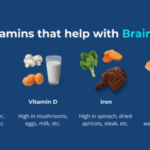
Beyond the Omega-3s, salmon is a treasure trove of other nutrients that contribute to psychological well-being. Vitamin D, for instance, is present in significant amounts in salmon. Often associated with bone health, Vitamin D receptors are also found throughout the brain, including areas involved in mood regulation. Studies have linked Vitamin D deficiency to an increased risk of depression, and supplementation has shown promise in alleviating symptoms in some individuals. Salmon offers a natural dietary source, helping to maintain optimal levels of this crucial vitamin.
Then there are the B vitamins, particularly B12, also found in salmon. B vitamins are essential cofactors for numerous biochemical reactions in the body, including the synthesis of neurotransmitters. A deficiency in B12, for example, can lead to fatigue, cognitive impairment, and mood disturbances, including depression. Selenium, another trace mineral abundant in salmon, acts as an antioxidant and plays a role in thyroid function, which profoundly impacts mood and energy levels.
The cumulative effect of these nutrients, working in concert, is what Eleanor found most compelling. It wasn’t just a single magic bullet, but a symphony of beneficial compounds contributing to a more resilient and balanced emotional state. While salmon wasn’t a substitute for professional mental health care, the evidence suggested it could be a powerful dietary ally in the pursuit of greater happiness and emotional stability. The idea of "eating her way" to a clearer head and a lighter spirit felt less like wishful thinking and more like an achievable goal, grounded in scientific understanding.
Beyond the Nutrients: A Holistic Story of Sustenance and Connection
Eleanor’s investigation into the biochemical marvels of salmon had been enlightening, but her librarian’s mind also understood that human experience is rarely reducible to mere chemical equations. The story of salmon, its connection to human intelligence and happiness, stretched far beyond the petri dish and into the realms of culture, ritual, and our profound relationship with the natural world.
The Act of Consumption: A Ritual of Well-being
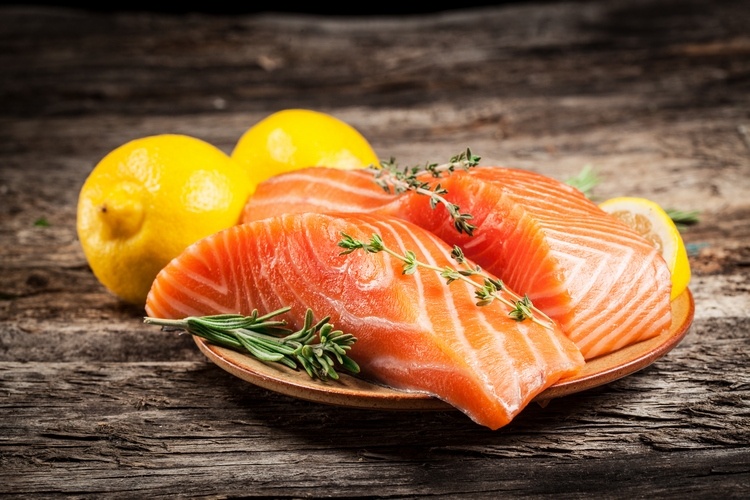
There’s an undeniable pleasure, a quiet satisfaction, in preparing and consuming a meal that you know is nourishing your body and mind. For Eleanor, embracing salmon meant more than just swallowing a pill; it was an active choice, a mindful ritual. The vibrant pink flesh, the delicate flakes under her fork, the subtle, rich flavor – these sensory experiences contributed to a feeling of well-being that went beyond the mere absorption of nutrients.
The very act of choosing fresh, wholesome ingredients, of taking the time to cook, transforms eating from a utilitarian necessity into an act of self-care. This intentionality, this mindful engagement with food, has its own psychological benefits. It fosters a sense of control, reduces stress, and connects us more deeply to the source of our sustenance. Perhaps a part of salmon’s "happiness effect" lies in the holistic experience of bringing such a revered and healthy food to one’s plate.
Salmon in Myth and History: The Leap of Knowledge
Eleanor, ever drawn to historical narratives, knew that salmon’s significance wasn’t a modern discovery. For millennia, indigenous cultures around the world, particularly those in the Pacific Northwest, have revered salmon as a sacred creature, a symbol of life, abundance, and wisdom. The annual salmon run, a spectacular display of resilience and determination, was not just a food source but a spiritual event, connecting communities to the rhythms of nature.
In Celtic mythology, the "Salmon of Knowledge" is a powerful figure. Legend has it that whoever caught and ate this particular salmon would gain all the knowledge in the world. The story of Fionn mac Cumhaill, a legendary hero, who accidentally tasted the Salmon of Knowledge and subsequently gained immense wisdom, speaks to a deeply ingrained cultural association between this fish and enhanced cognitive abilities.
These ancient narratives, passed down through generations, aren’t just quaint stories. They reflect a profound, intuitive understanding of salmon’s life-giving properties. Before modern science could quantify DHA or EPA, our ancestors recognized the vitality, the strength, and perhaps even the clarity of mind that came from a diet rich in this magnificent fish. The "leap of knowledge" in these myths mirrors the biochemical leap that Omega-3s facilitate in our brains.
The Modern Dilemma: Sustainability and Ethical Choices
However, Eleanor also understood that the modern story of salmon is complex, tinged with environmental concerns. The booming demand for salmon has led to the proliferation of aquaculture, raising questions about sustainability, environmental impact, and the nutritional profile of farmed versus wild salmon.