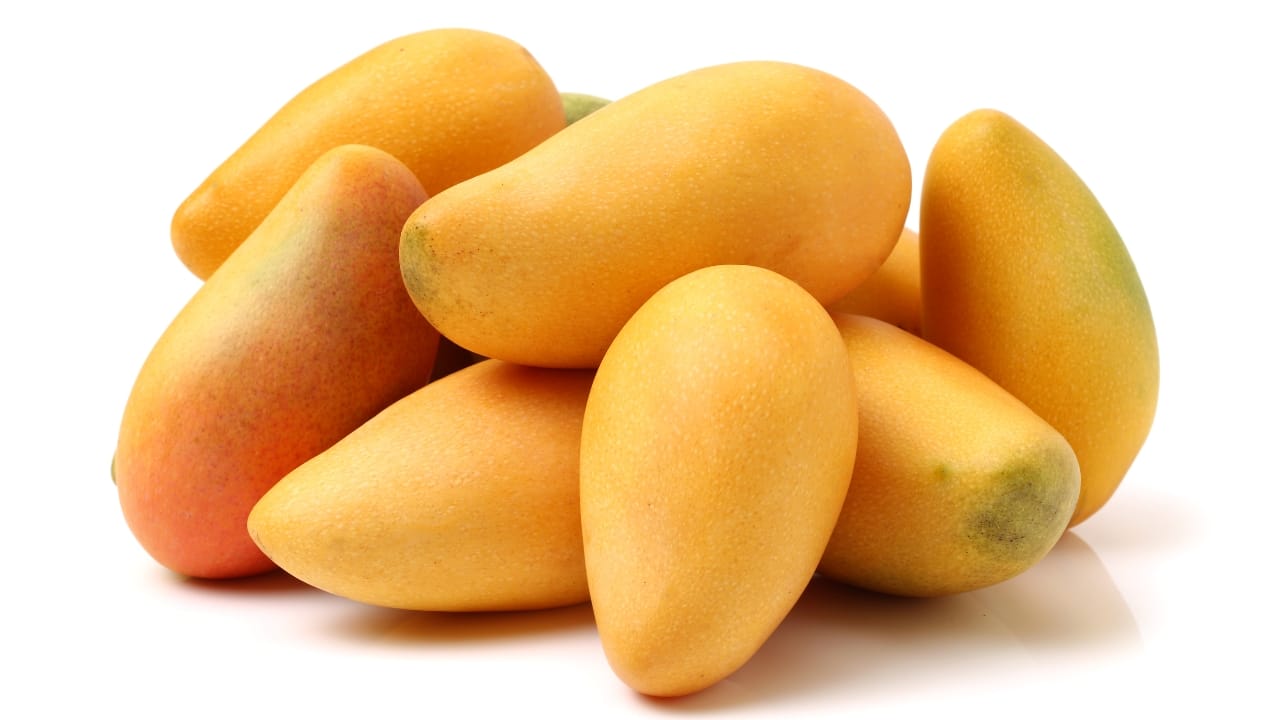
In the vibrant tapestry of tropical fruits, the mango stands as a sun-kissed monarch, revered for its luscious sweetness, intoxicating aroma, and a texture that dances between creamy and firm. From its ancient origins in South Asia, where it was considered a sacred fruit, to its global embrace as a summer delight, the mango’s appeal is undeniable. Yet, beyond its superficial charms lies a hidden superpower, a biochemical arsenal meticulously crafted by nature to combat an invisible enemy that wages war within our very cells: oxidative stress.
To truly appreciate the mango’s prowess, we must first understand the battlefield and the adversary. Our bodies are complex, bustling cities of trillions of cells, each a miniature factory performing countless biochemical reactions to sustain life. While these processes are essential, they are not without their byproducts. One such byproduct is the constant generation of highly reactive molecules known as free radicals.
The Silent War: Understanding Oxidative Stress
Imagine a perfectly balanced ecosystem. In the cellular world, this balance exists between the production of free radicals and the body’s capacity to neutralize them with antioxidants. Free radicals are atoms or groups of atoms with an unpaired electron, making them inherently unstable and desperate to achieve stability by "stealing" an electron from another molecule. This act of theft turns the once-stable molecule into a new free radical, initiating a damaging chain reaction that can propagate rapidly throughout the cell.
These cellular marauders, often referred to as Reactive Oxygen Species (ROS) and Reactive Nitrogen Species (RNS), are generated through normal metabolic processes like respiration, but their production can be significantly amplified by external factors. Environmental pollutants, cigarette smoke, industrial chemicals, excessive sun exposure, certain medications, chronic inflammation, and even intense exercise can all tip the scales, leading to an overabundance of free radicals.
When the production of free radicals overwhelms the body’s antioxidant defenses, the state of oxidative stress sets in. It’s like a fire breaking out in our cellular city, with the firefighters (antioxidants) unable to contain the blaze. The damage inflicted by unchecked free radicals is widespread and insidious. They attack vital cellular components:
- Lipids: Oxidizing the fats in cell membranes, compromising their integrity and function. This is particularly damaging to lipoproteins like LDL cholesterol, contributing to atherosclerosis.
- Proteins: Altering their structure and function, leading to enzyme dysfunction and impaired cellular processes.
- DNA and RNA: Causing mutations that can lead to cancer, accelerating aging, and disrupting genetic information.
The cumulative effect of this cellular vandalism is profound. Oxidative stress is now recognized as a fundamental driver behind the aging process itself and a key contributor to the pathogenesis of a vast array of chronic diseases. These include cardiovascular diseases (heart attacks, strokes), neurodegenerative disorders (Alzheimer’s, Parkinson’s), various forms of cancer, diabetes, autoimmune conditions, chronic inflammatory diseases, and even vision impairment like cataracts. It is the silent, pervasive enemy, constantly chipping away at our health and vitality.
The Heroes Emerge: Antioxidants to the Rescue
Fortunately, our bodies are not defenseless. Evolution has equipped us with an intricate network of endogenous (internally produced) antioxidants, such as superoxide dismutase (SOD), catalase, and glutathione peroxidase. These enzymatic heroes work tirelessly to disarm free radicals and repair damage. However, in our modern world, bombarded by stressors and often lacking optimal nutrition, our endogenous defenses can be overwhelmed. This is where dietary antioxidants step in, acting as crucial reinforcements from the outside.
Dietary antioxidants are found abundantly in plant-based foods – fruits, vegetables, nuts, seeds, and whole grains. They work in various ways:
- Direct Scavenging: Donating an electron to a free radical, neutralizing it without becoming a free radical themselves.
- Metal Chelation: Binding to metal ions (like iron or copper) that can catalyze free radical production, effectively taking them out of commission.
- Enzyme Modulation: Activating the body’s own antioxidant enzymes or inhibiting pro-oxidant enzymes.
- Repair Mechanisms: Helping to repair damage already caused by free radicals.
And this is where our golden protagonist, the mango, makes its grand entrance, not just as a delicious treat, but as a formidable warrior in the fight against oxidative stress.
The Mango’s Antioxidant Arsenal: A Symphony of Bioactives
The mango’s incredible antioxidant power stems from its rich and diverse phytochemical profile. It’s not just one hero, but an entire ensemble, working synergistically to protect and restore cellular health. Let’s peel back the layers and explore the key players in this tropical powerhouse:
1. Vitamin C (Ascorbic Acid): The Classic Scavenger
One of the most well-known antioxidants, Vitamin C is present in significant amounts in mangoes. As a water-soluble vitamin, it operates primarily in the aqueous (watery) environments of the body, such as the cytoplasm of cells and blood plasma. Its mechanism of action is straightforward yet potent: it readily donates electrons to neutralize various free radicals, including superoxide and hydroxyl radicals. In doing so, it protects proteins, lipids, and DNA from oxidative damage. Beyond its direct antioxidant role, Vitamin C is also crucial for collagen synthesis, immune function, and enhancing the absorption of non-heme iron.
2. Carotenoids: The Pigment Protectors
The vibrant golden-orange hue of mango flesh is a testament to its abundant carotenoid content. These fat-soluble pigments are powerful antioxidants, particularly effective in protecting cell membranes and other lipid-rich areas from oxidative damage. Key carotenoids found in mangoes include: