The male orgasm, often perceived simply as a fleeting moment of intense pleasure and seminal expulsion, is in reality a symphony of intricate physiological, neurological, and psychological events. Far from a singular, isolated act, it represents the culmination of a complex sexual response cycle, a finely tuned cascade involving vast networks of nerves, hormones, muscles, and blood vessels, all orchestrated by the most complex organ in the body: the brain. For the knowledgeable audience, delving into the mechanics of this phenomenon reveals not just the biological marvel that it is, but also offers profound insights into human physiology, sexuality, and the delicate balance between conscious control and autonomic reflex.
Our journey into understanding male orgasm begins long before the moment of climax, tracing the path from initial arousal through the various stages that build to this powerful release. We will explore the anatomical players, the neurological pathways that govern their actions, the biochemical messengers that facilitate communication, and the muscular contractions that characterize the final, explosive phase.
The Overture: The Sexual Response Cycle and Initial Arousal
To appreciate orgasm, one must first understand its context within the broader human sexual response cycle. Pioneering research by William Masters and Virginia Johnson in the mid-20th century categorized this cycle into four distinct phases: Excitement, Plateau, Orgasm, and Resolution. While this model provides a useful framework, it’s crucial to remember that these phases are not always discrete or linear; individuals may experience variations, overlaps, or even regress between stages.
1. Excitement Phase (Arousal): The Genesis of Desire
The journey to orgasm typically begins with the excitement phase, triggered by a wide array of stimuli – visual, auditory, tactile, olfactory, and perhaps most powerfully, cognitive (thoughts, fantasies, memories). This phase marks the initial physiological responses to sexual stimulation.
- Neurological Activation: The brain, particularly regions associated with reward, emotion, and sensory processing (e.g., the limbic system, hypothalamus, prefrontal cortex), becomes highly active. Neurotransmitters like dopamine, often dubbed the "pleasure chemical," play a crucial role in mediating desire and motivation, setting the stage for the cascade of events that follow.
- Cardiovascular and Respiratory Changes: Heart rate increases, blood pressure rises, and breathing becomes more rapid and shallow.
- Myotonia: Increased muscle tension throughout the body begins.
-
Penile Vasocongestion (Erection): This is the hallmark of male sexual arousal. It’s a neurovascular phenomenon where the penile arteries dilate, allowing a rapid influx of blood into the erectile tissues, specifically the corpora cavernosa and to a lesser extent, the corpus spongiosum. Simultaneously, the veins that normally drain blood from the penis are compressed, trapping the blood and leading to rigidity. This process is primarily mediated by the parasympathetic nervous system.
- The Nitric Oxide Pathway: Upon sexual stimulation, nerve endings and endothelial cells within the penis release nitric oxide (NO). NO is a potent vasodilator that activates the enzyme guanylate cyclase, leading to an increase in cyclic guanosine monophosphate (cGMP). cGMP causes the smooth muscle cells surrounding the penile arteries and within the erectile tissue (trabecular smooth muscle) to relax. This relaxation allows the sinusoids (blood-filled spaces within the corpora cavernosa) to engorge with blood.
- Veno-occlusion: As the corpora cavernosa swell, they expand against the relatively inelastic tunica albuginea (a fibrous sheath surrounding the erectile tissue). This expansion compresses the subtunical venules, reducing venous outflow and thus trapping blood within the penis, maintaining the erection.
The Crescendo: The Plateau Phase
As stimulation continues and arousal intensifies, the excitement phase transitions into the plateau phase. This stage is characterized by a heightening of all the physiological responses initiated during excitement, pushing the body closer to the point of no return.
- Intensified Vasocongestion: The erection becomes fuller and more rigid. The glans penis may deepen in color due to increased blood flow.
- Testicular Elevation: The testes elevate significantly and draw closer to the body due to the contraction of the cremaster muscles.
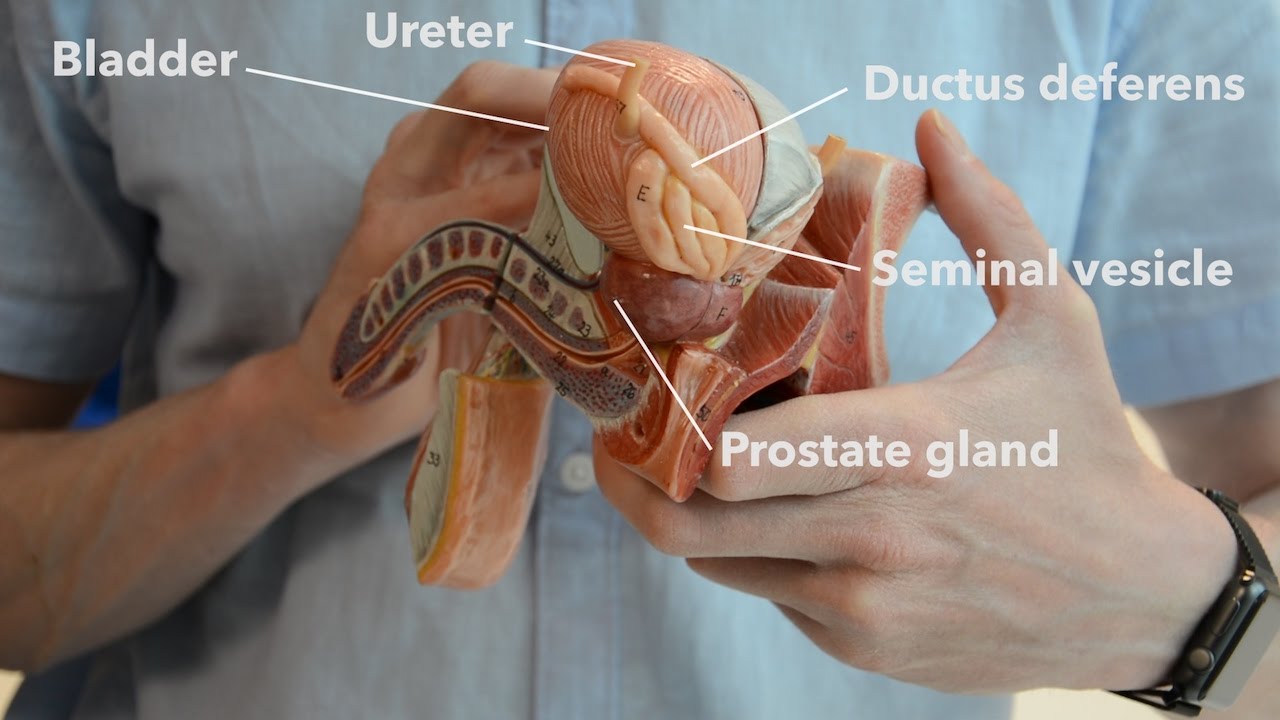
- Pre-ejaculatory Fluid (Cowper’s Gland Secretion): The bulbourethral (Cowper’s) glands, located near the base of the penis, secrete a clear, viscous fluid. This fluid, often referred to as pre-cum, serves several purposes: it lubricates the urethra for the passage of semen, neutralizes residual acidity in the urethra from urine, and may contain viable sperm.
- Myotonia and Hyperventilation: Muscle tension becomes more pronounced, and breathing rates increase further.
- Heart Rate and Blood Pressure: These continue to climb, often reaching peak levels just before orgasm.
- The "Point of No Return": Towards the end of the plateau phase, the sensation of "ejaculatory inevitability" or "point of no return" is reached. This is a critical physiological threshold where the seminal fluid begins to collect in the prostatic urethra, triggering a reflex that makes orgasm almost impossible to prevent.